
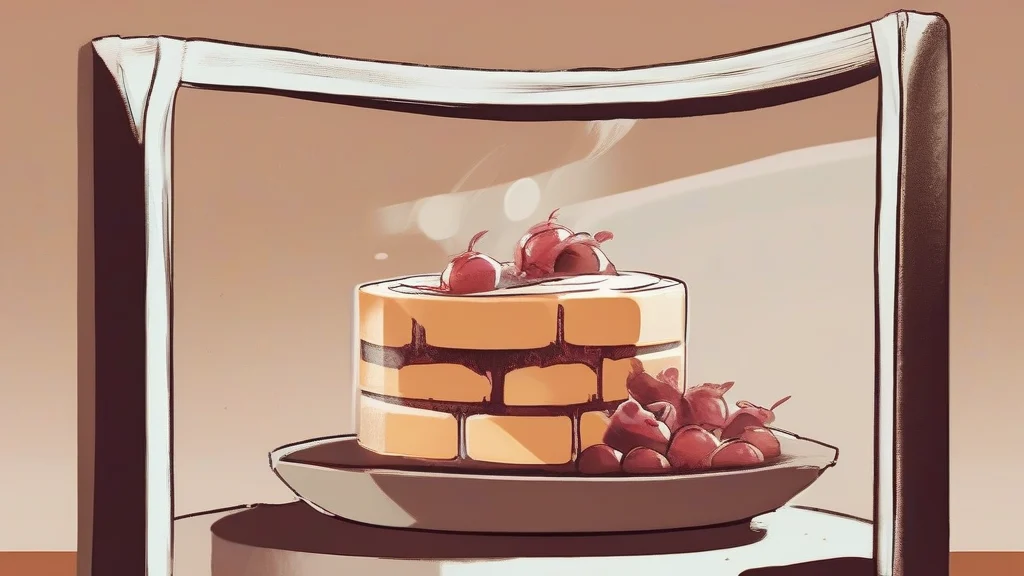
What does trifle mean?
Trifle is principally a noun for something regarded as trivial or insignificant, as in "not a trifle." In the phrase "a trifle," it can also mean a small amount, though this use is now chiefly literary or archaic. The word has a separate culinary meaning: a dessert made with sponge cake, fruit, custard, and often cream. As a verb, trifle means to mock or treat carelessly, especially when used with "with," as in a warning not to trifle with someone's feelings. An older intransitive sense meaning to waste time or idle is now archaic. The vocabulary is notable for its strong contrast between an everyday word for something insignificant and a lavish, layered dessert. It also retains a slightly literary quality, giving ordinary statements a formal or traditional tone.
An insignificant or unimportant thing or matter; also, a dessert made from sponge cake, fruit, custard, and often cream.
"The delay was dismissed as a trifle, although it caused serious confusion."
The word is somewhat formal or literary when referring to an insignificant matter. Its culinary sense refers to both the type of dessert and an individual serving.
To mock, taunt, or treat carelessly or contemptuously.
"The prosecutor warned the jury not to trifle with the evidence."
The verb commonly appears with "with." An older sense meaning to waste time or idle is now archaic.
The plural is used for multiple insignificant matters and, in the culinary sense, for multiple servings or individual trifle desserts.
"The director dismissed the director's concerns as trifles, but they later proved consequential."
From a matter too small to matter to a dessert piled with fruit, custard, and cream, "trifle" covers both the trivial and the delightfully indulgent.
Reviewed by Deb Chak, Editor. AI-assisted content curated by RJS Tech Solutions LLP.
Etymology of trifle
The English noun and verb come through Middle English from Old French trifile, associated with the idea of a small or trifling thing. The verb originally also meant to waste time or idle, before developing its familiar sense of treating something mockingly or carelessly. In the 17th century, "a trifle" began to be used for the layered sweet dish now known as trifle. The related English derivative "trifling" preserves the original idea of something insignificant.
Related word forms
How trifle is actually used
The noun meaning an insignificant matter is formal or literary in tone and is often found in phrases such as "not a trifle." As a dessert, the word is normally lowercase and may refer either to the type of dish or to an individual serving. The verb is usually followed by "with" and conveys mockery, cavalier treatment, or deliberate undervaluing.