What does tund mean?
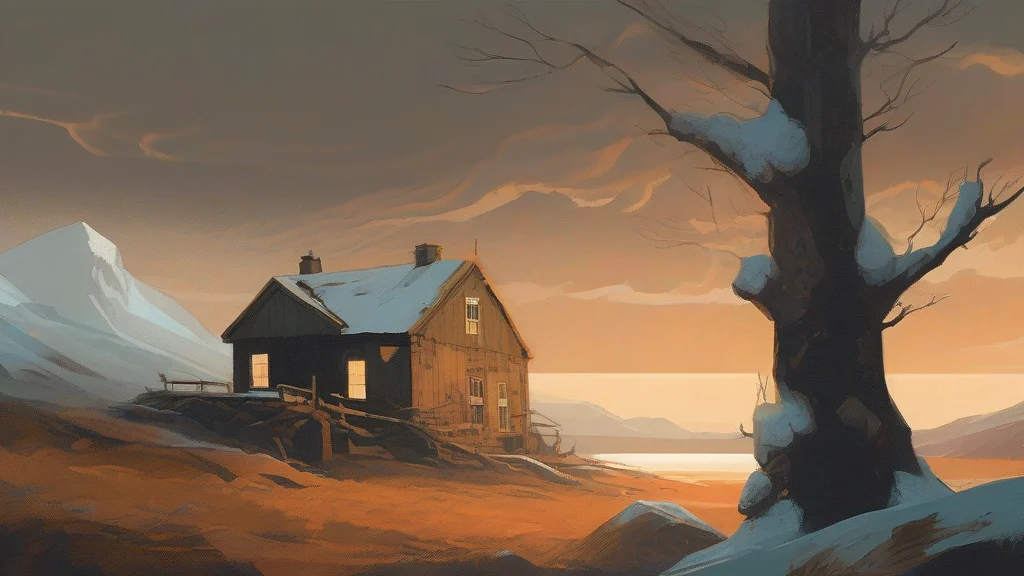
A tund is a type of Arctic landscape characterized by low-lying land, often treeless and dominated by mosses and lichens. This unique environment is found in the Arctic regions of the world, where the harsh climate and limited vegetation create a challenging yet breathtakingly beautiful landscape. The term 'tund' is often used interchangeably with 'tundra', although some sources distinguish between the two, with 'tund' referring specifically to the treeless, low-lying areas. The tund is a fascinating and remote region, home to a variety of hardy plants and animals that have adapted to the extreme conditions. Exploring the tund can be a thrilling adventure, but it requires careful planning and preparation to navigate the treacherous terrain and harsh weather. Overall, the tund is a unique and captivating environment that offers a glimpse into the harsh yet beautiful world of the Arctic.
nounA tund is a type of Arctic landscape characterized by low-lying land, often treeless and dominated by mosses and lichens.
- A type of Arctic landscape
"The expedition traversed the vast tund, their crampons crunching into the frozen ground."
"The team navigated the treacherous tund, their headlamps casting an eerie glow."
"The tund stretched out before them, a seemingly endless expanse of white."
Reviewed by Deb Chak, Editor. AI-assisted content curated by RJS Tech Solutions LLP.
Etymology of tund
The word 'tund' is derived from the Inuit language, where it is spelled 'tundur'. This term refers to a type of Arctic landscape characterized by low-lying land and limited vegetation. The word has been adopted into various languages, including English, where it is used to describe this unique environment.
How tund is actually used
The term 'tund' is often used interchangeably with 'tundra', although some sources distinguish between the two, with 'tund' referring specifically to the treeless, low-lying areas.