
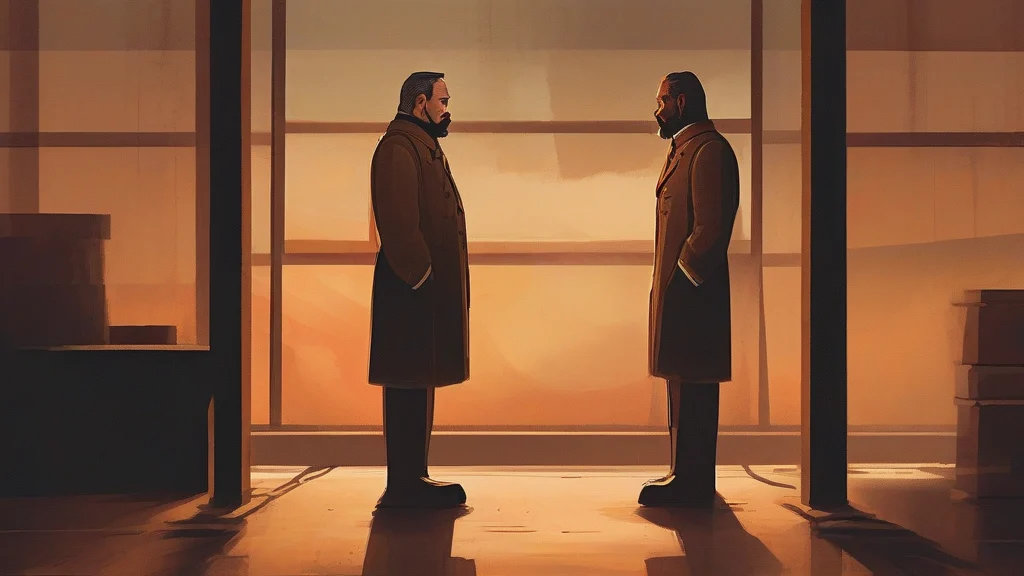
What does turncoat mean?
A turncoat is a person who changes sides, especially by abandoning a political party, faction, or cause in favor of its opponent. The word is strongly derogatory: it presents the person’s switch as opportunistic or disloyal, often implying that earlier loyalty or public commitments mattered little. Although someone may sincerely change allegiance, the term is generally reserved for public, controversial desertions rather than ordinary changes of opinion. In figurative use, it can accuse someone of betraying a cause, organization, or principle. It may also refer to a member of one political movement who transfers to a rival. Historically, the word arose from the expression of turning one’s coat as a sign of changing sides. Today it remains especially associated with political and military contexts, where it serves as a vivid but inflammatory label for betrayal.
A person who changes allegiance, especially to an opponent, and is regarded as disloyal or treacherous.
"His opponents branded him a turncoat after he joined the rival faction."
Strongly derogatory and especially associated with political betrayal, though it can be used figuratively for abandoning a cause or principle.
To change one’s allegiance or desert one side for another.
"Several members of the faction turncoated when the negotiations collapsed."
Rare in modern usage and chiefly literary, historical, or figurative.
The standard plural is formed by adding “-s” to the noun.
"The speech was aimed at former turncoats who had joined the opposing movement."
The name is delightfully literal: to “turn one’s coat” meant to switch sides, turning everyday clothing into a sign of political betrayal.
Reviewed by Deb Chak, Editor. AI-assisted content curated by RJS Tech Solutions LLP.
Where does turncoat come from?
Turncoat dates from the late sixteenth century and combines the English words “turn” and “coat.” Coat had come to symbolize allegiance, so “to turn one’s coat” meant to change sides. The compound’s second element also belongs to the familiar family of coat, coating, and coattail.
Related word forms
How turncoat is actually used
The noun is strongly derogatory and is usually reserved for conspicuous, controversial switches of allegiance. It is especially common in political and historical contexts. The verb is much less common and chiefly sounds literary or historical.