
What does tutu mean?
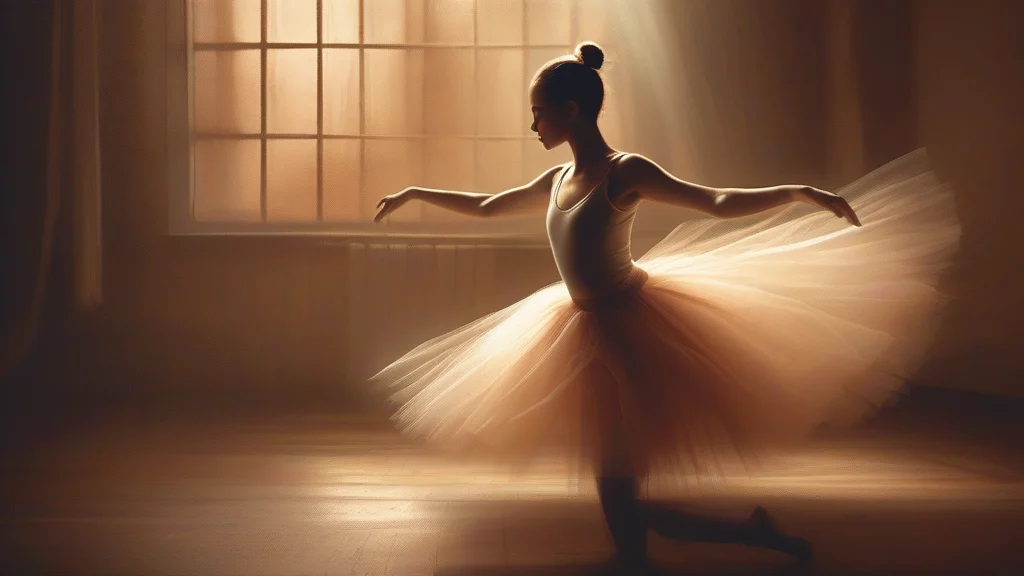
A tutu is the short, layered skirt most closely associated with ballet. It is commonly made from stiff, pleated tulle and is designed to create a neat, bell-like silhouette while allowing the dancer to move freely. Although the garment is brief, its multiple layers give it a fuller and more elaborate appearance onstage. Tutus are commonly associated with classical ballet, although they are also worn in other dance and theatrical productions. The word can also have the older, now dated sense of a ballet dancer itself, particularly in historical writing. In modern English, however, it almost always refers to the garment rather than the performer. The term is useful because it names a distinctive item of dance costume that combines practical movement with a highly recognizable visual form.
nounA short, stiff, pleated skirt made of layered tulle and worn by ballet dancers. In older usage, the word could also refer to a ballet dancer.
- A short, stiff, pleated skirt made of layered tulle and worn by ballet dancers.
- Formerly, a ballet dancer; now rare or dated.
"The ballerina stepped onto the stage in a white tutu."
"The ballerina stepped onto the stage in a white tutu."
"In an old review, the young performer was praised as the tutu of the corps."
The standard plural of tutu is tutus.
"The dancers wore bright tutus for the performance."
A tutu may look airy and delicate, but its stiff layers help it hold its distinctive shape onstage.
Reviewed by Deb Chak, Editor. AI-assisted content curated by RJS Tech Solutions LLP.
Etymology of tutu
The English word was borrowed from French tutu around the late nineteenth century, when it became established in connection with ballet costume. The ultimate origin of the French word is uncertain, so a more specific source should not be asserted. In modern English, its meaning has largely stabilized around the ballet skirt.
How tutu is actually used
The word is most natural in ballet and theatrical contexts. Outside those settings, it can sound whimsical or deliberately theatrical. Its older sense meaning a ballet dancer is now uncommon.