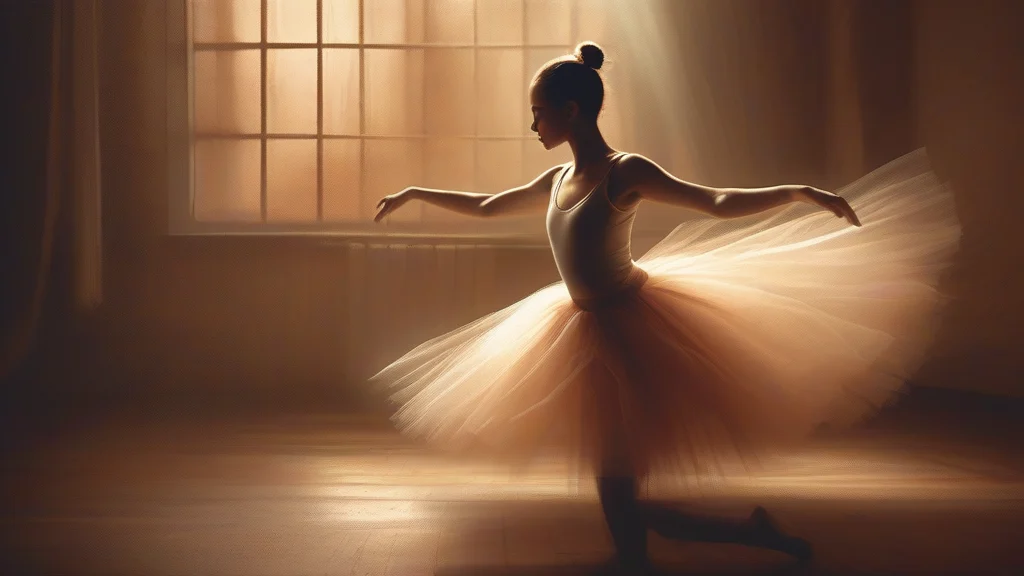
What does tutu mean?
A tutu is a distinctive type of skirt worn by ballet dancers to create a visually striking appearance. Typically made of netting or tulle, the tutu is a key element in ballet costumes, and is often used to convey the dancer's character or role. While tutus are most commonly associated with female ballet dancers, they can also be worn by male dancers in certain roles. The term 'tutu' is often used to refer to the skirt itself, rather than the dancer's overall costume. In addition to its practical function, the tutu has also become a cultural icon, symbolizing the beauty and elegance of ballet. As a result, tutus continue to be a popular choice for ballet dancers and costume designers alike, and remain an essential part of the ballet tradition.
nounA tutu is a type of skirt, typically made of netting or tulle, worn by ballet dancers to create a distinctive appearance.
- A tutu is a type of skirt, typically made of netting or tulle, worn by ballet dancers to create a distinctive appearance.
"The ballerina's tutu fluttered as she pirouetted across the stage."
"The ballerina's tutu fluttered as she pirouetted across the stage."
"The tutu was a key element in the ballet's costume design."
The plural form 'tutus' is used to refer to multiple tutus, or to tutus in general.
"The ballet company had a collection of tutus in various colors and designs."
Reviewed by Deb Chak, Editor. AI-assisted content curated by RJS Tech Solutions LLP.
Etymology of tutu
The word 'tutu' originated in the 19th century, when ballet dancers began wearing skirts made of netting or tulle to create a distinctive appearance. The term 'tutu' is derived from the French word 'tutu', which is itself derived from the Italian word 'tuta', meaning 'all' or 'whole'. This refers to the fact that the tutu is a complete and integral part of the ballet dancer's costume.
How tutu is actually used
Tutus are typically worn by female ballet dancers, but can also be worn by male dancers in certain roles. The term 'tutu' is often used to refer to the skirt itself, rather than the dancer's overall costume.