
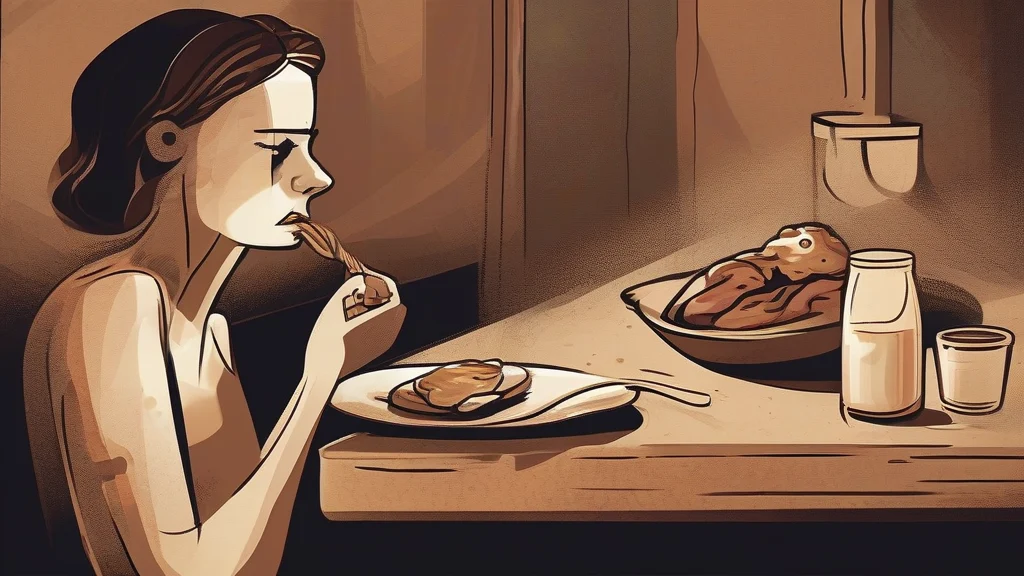
What does unappetising mean?
Unappetising means that something fails to stimulate the appetite or arouse interest, especially because food appears unpleasant or unpalatable. Its most familiar use is for a smell, taste, meal, or ingredient that looks or seems difficult to eat, but the adjective can also describe a wider range of unattractive things, such as a bleak prospect or an unappealing appearance. The word often conveys a stronger reaction than merely being uninteresting: it suggests that something is genuinely off-putting, physically revolting, or deeply unattractive. In figurative contexts, it can imply that an idea or prospect is distasteful rather than literally edible. Unappetising is the conventional British spelling; the American spelling is unappetizing. Both are pronounced with the same unstressed prefix un-, stress on the second syllable, and a final -ing form. The word is useful when an ordinary adjective such as unappealing does not quite convey the combination of physical aversion and lack of enthusiasm that the expression can evoke.
adjectiveNot appetizing or appealing, especially of food; unpalatable or unattractive.
- Not appealing to the appetite; unpalatable or uninviting, especially of food.
- Not attractive, pleasant, or appealing in a broader sense.
"A succession of unappetising snacks left us too full to enjoy the meal."
"The fish had developed an unappetising grey layer during the long journey."
"The prospect of another round of negotiations looked distinctly unappetising."
Food gets the headlines, but “unappetising” can also dismiss a grim prospect, an unappealing complexion, or any other sight that turns the appetite away.
Reviewed by Deb Chak, Editor. AI-assisted content curated by RJS Tech Solutions LLP.
Etymology of unappetising
Unappetising was formed in English by combining the negative prefix un- with appetising, a derivative of appetite. Appetite comes through Old French from Latin appetere, meaning “to desire” or “to seek.” The resulting adjective follows the established English pattern of adding un- to form a negative, while its competing -ise and -ize spellings reflect British and American conventions respectively.
Related word forms
How unappetising is actually used
The -ise spelling is standard in British English, while American English normally uses -ize. The word is especially associated with food but can also describe a disagreeable sight, prospect, or experience.
Easily confused with unappetising
The two words have the same meaning and differ only in the conventional British and American spellings.