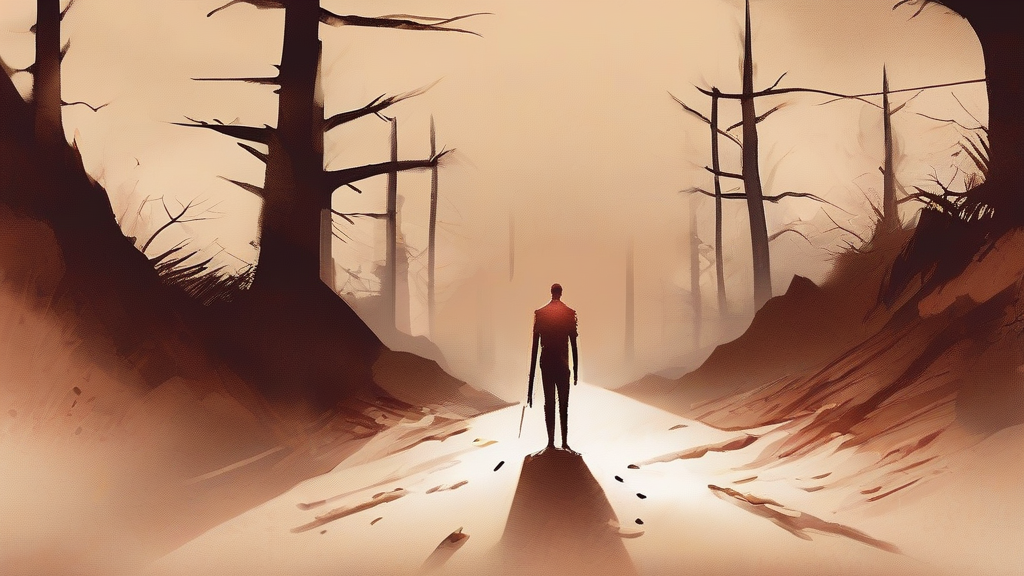
What does unblooded mean?
The term unblooded refers to a lack of experience, particularly in relation to violence or bloodshed. It describes someone or something that has not been exposed to or involved in such situations. This adjective can be used to characterize individuals, such as soldiers or officers, who have not yet faced combat or have not developed the skills and resilience that come with experience. The word can also be applied more broadly to describe things that are inexperienced or untested. While not commonly used in modern conversation, unblooded appears in literary and formal contexts to convey a sense of inexperience or a lack of worldliness. Understanding this word provides insight into more nuanced expressions of experience and capability.
adjectiveNot blooded or having blood; specifically, not having experience of bloodshed or violence.
- Lacking experience of violence or bloodshed
- Not having the characteristics of blood
"The young, unblooded soldier trembled at the thought of battle."
"The unblooded officer was not ready for combat."
"The unblooded soil lacked nutrients."
Reviewed by Deb Chak, Editor. AI-assisted content curated by RJS Tech Solutions LLP.
Etymology of unblooded
The word unblooded originates from the prefix 'un-' meaning 'not' and 'blooded', which is derived from 'blood'. The term 'blooded' itself has historical usage, particularly in hunting, referring to animals that have been bred for speed and endurance, often having the blood of a champion breed. The concept of being 'blooded' metaphorically extended to humans, signifying experience and vigor. Thus, 'unblooded' came to describe those lacking such experience or vitality.
How unblooded is actually used
Formal or literary usage; somewhat archaic.