
What does unexplored mean?
Unexplored means not yet explored, investigated, or examined. In literal use, it describes a place that has not been mapped, traversed, or studied, such as an unexplored mountain range or an unexplored part of the ocean. In figurative use, it applies to questions, ideas, opportunities, or fields of knowledge that remain poorly understood or undeveloped. The word often conveys both uncertainty and possibility: an unexplored subject may conceal important discoveries, but it also signals that reliable knowledge is limited. It is widely used in scientific, environmental, literary, and business contexts, with phrases such as “unexplored territory” and “unexplored possibilities.” Unlike “undiscovered,” which focuses primarily on something not previously found, “unexplored” emphasizes the absence of investigation or examination. The term is useful for describing both physical frontiers and the boundaries of human understanding.
adjectiveNot yet explored, investigated, or examined. It is often used figuratively for areas of knowledge, possibilities, or experience that have not yet been fully understood or developed.
- Not yet explored, investigated, or examined, especially a physical area.
- Not yet fully understood, developed, or investigated, especially a subject, field, or possibility.
"The expedition entered a vast and largely unexplored region of the mountains."
"Researchers are still studying the largely unexplored ecosystem of the deep ocean."
"The team recognized that the problem contained several unexplored possibilities."
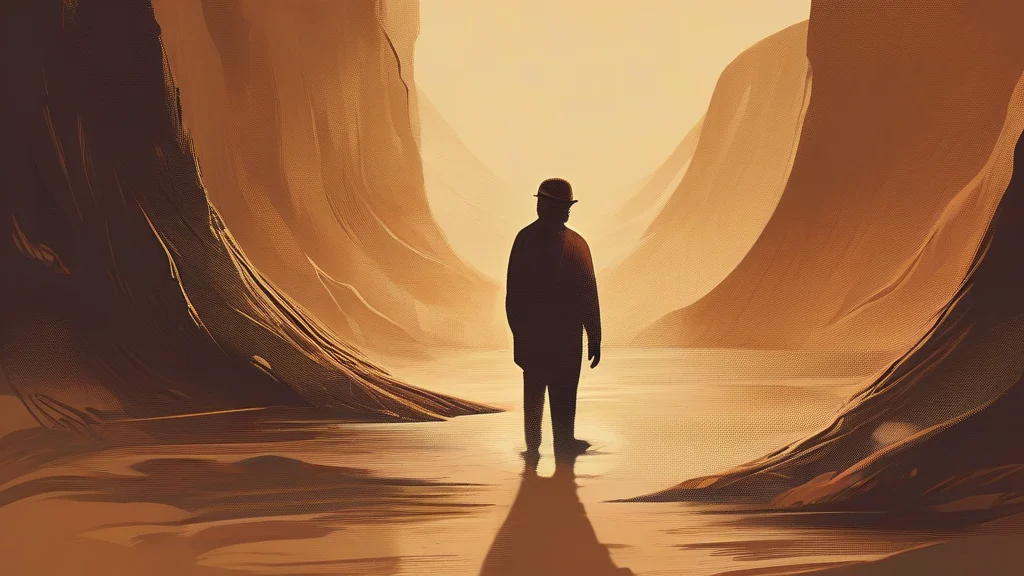
An unexplored frontier can be geographical, scientific, or entirely imaginary: the word turns curiosity itself into a destination.
Reviewed by Deb Chak, Editor. AI-assisted content curated by RJS Tech Solutions LLP.
Where does unexplored come from?
Unexplored was formed in English by combining the prefix un- with explored. The base word explore comes through French from Latin explorare, meaning “to search out” or “to investigate,” and is related to exploration, explorer, and exploratory. The negative prefix gives the modern adjective its sense of something that has not yet been investigated or examined.
How unexplored is actually used
The word is common in formal and literary writing and is especially frequent in figurative contexts. It often suggests that something has received little or no attention, rather than merely that a specific investigation has not yet occurred.
Easily confused with unexplored
An unexplored place or subject has not yet been examined or investigated, whereas an undiscovered thing was not previously found or known to exist.