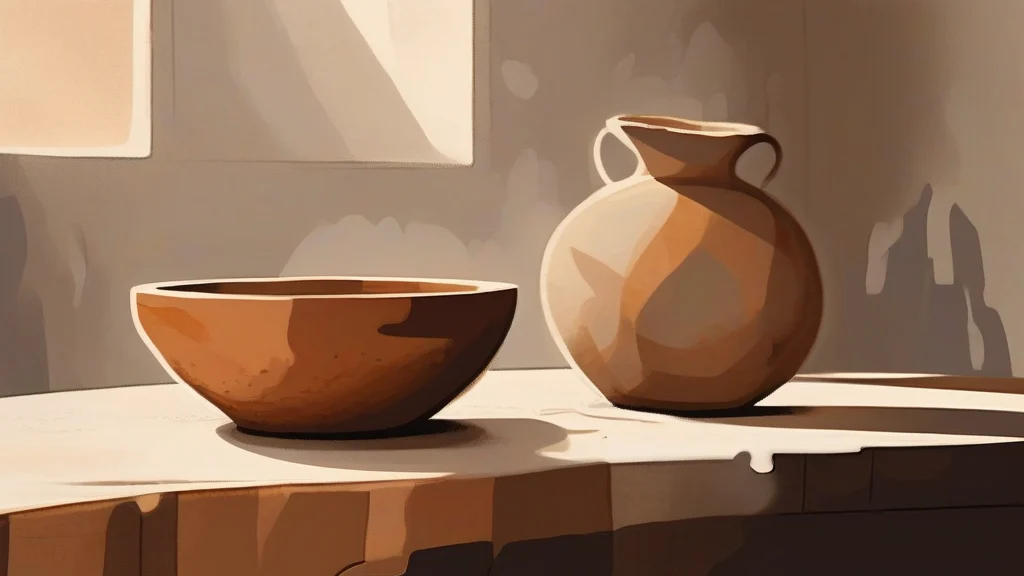
What does unglazed mean?
The term unglazed refers to surfaces, particularly in ceramics and pottery, that lack a glaze or shiny finish. Unglazed items are often more porous and have a rougher texture compared to their glazed counterparts. This characteristic can be desirable for certain aesthetic or functional reasons, such as achieving a natural or earthy look. In architecture, unglazed tiles or bricks may be used for their rustic appearance or to create a specific texture. The absence of a glaze can also affect the durability and maintenance of the material. Overall, unglazed surfaces offer a unique set of properties that make them suitable for various applications.
adjectiveNot covered with a glaze, especially not having a shiny or glassy surface. Unglazed ceramics or pottery are often more porous and rougher to the touch.
- Having no glaze or shiny surface
- Not having a glassy or glossy finish
"The artisan's unglazed terracotta vase had a natural, earthy beauty."
"The unglazed pottery felt coarse under my fingers."
"The artist preferred the unglazed look for her sculptures."
Reviewed by Deb Chak, Editor. AI-assisted content curated by RJS Tech Solutions LLP.
Etymology of unglazed
The word unglazed is derived from the prefix 'un-' meaning 'not' and 'glazed', which refers to a shiny or glassy surface. The term glaze comes from the Middle English word 'glasen', meaning 'to coat with a glaze'.
How unglazed is actually used
Often used in the context of ceramics, pottery, and architecture to describe surfaces that are not shiny or glassy.