
What does uniform mean?
Uniform is most commonly an adjective meaning the same or consistently alike throughout: a uniform rule applies to every case, and a uniform surface has no visible variation. Its meaning can extend to matters of outcome or treatment, as when people receive uniform treatment or prices remain uniform. As a noun, a uniform is the distinctive set of clothing, insignia, or other items identifying membership in a school, military, profession, or organization. The rarer formal verb “to uniform” means to make something consistent or to bring it under one standard. In everyday use, the word often carries connotations of sameness, equality, order, and sometimes lack of individuality. That neutrality makes it useful in education, law, science, fashion, and institutions: uniform rules can imply fairness, while uniforms can symbolize discipline or group identity. The word’s history is unusually transparent. It comes through French from Latin uniformis, meaning “having one form,” built from “one” and “form.” Its familiar modern senses therefore remain closely connected to the central idea of consistency across differences.
The same or consistently alike in form, appearance, characteristics, operation, or treatment throughout.
"All products must meet uniform safety standards before being sold."
Widely used in formal, technical, and everyday contexts. In education and law, it often suggests equal treatment or consistent application of a rule.
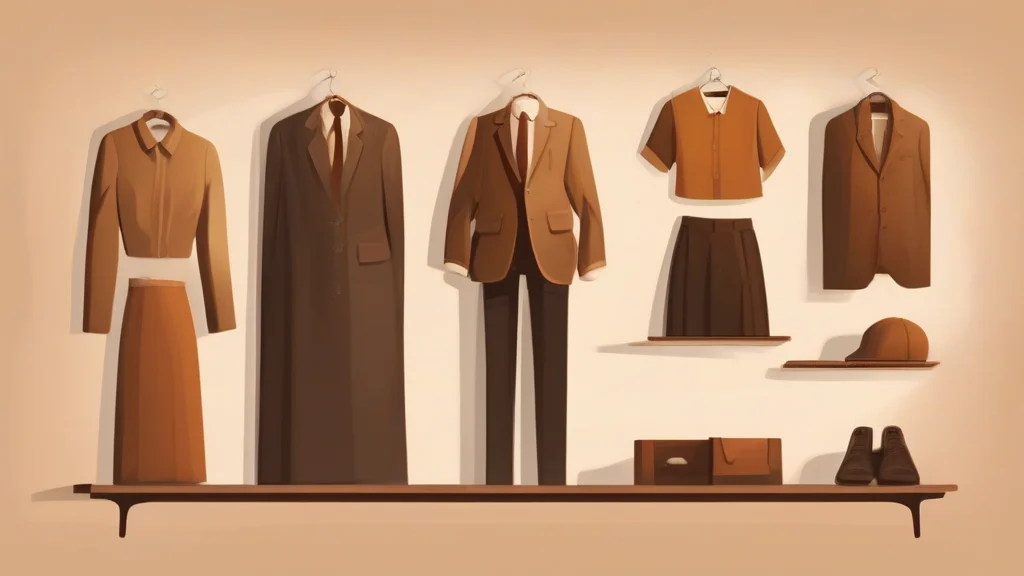
A distinctive set of clothing or other items worn by members of a school, profession, organization, military service, or similar group.
"He changed into his uniform before the morning briefing."
Often used for clothing that identifies membership or occupational role, though the word itself does not imply whether the clothing is formal, casual, traditional, or modern.
To make something the same or consistent throughout, or to bring different parts under one standard.
"The new software helps uniform the formatting of reports from every office."
Relatively uncommon and more formal than the adjective; “make uniform” is often clearer in ordinary writing.
The standard plural is “uniforms,” used for multiple sets of clothing or for the garments worn by several people.
"The guards were wearing blue uniforms."
Uniform literally means “one form”—its history is hiding in plain sight.
Reviewed by Deb Chak, Editor. AI-assisted content curated by RJS Tech Solutions LLP.
Where does uniform come from?
The word entered English through French uniforme from Latin uniformis, meaning “having one form” or “consistent.” The Latin compound draws on unus, “one,” and forma, “form,” expressing the idea of a single form or arrangement. Its English history led both to the adjective “the same throughout” and to the noun for standardized institutional clothing; related Latin words such as unanimous, unison, universal, and universe share the underlying root unus.
Related word forms
How uniform is actually used
The word is neutral in most contexts, although descriptions of uniforms may imply discipline, equality, or reduced individuality. British and American speakers use the same spelling but generally pronounce the final syllable differently.
Easily confused with uniform
Uniform can describe something that is the same throughout or name a set of identifying clothing, whereas uniformity is the noun for the quality of being consistent or unvarying.