
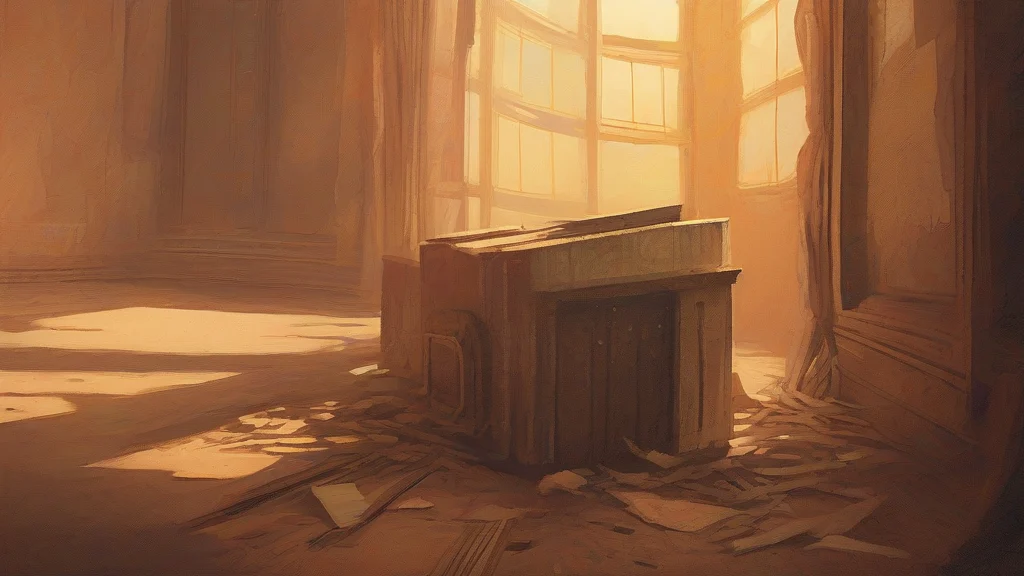
What does unrestored mean?
“Unrestored” is an adjective meaning that something has not been returned to its original condition, value, or former status. Most often it describes a damaged building, artwork, historic site, or natural feature that has not been repaired, or a repair that has not been completed. In legal, political, and historical writing, it can instead refer to a right, office, institution, or social order that has not been reinstated. The word is more formal and descriptive than “broken” and can suggest either neglected preservation or an incomplete process of restoration. For example, a government may restore a historic building while leaving a disputed territory or constitutional order unrestored. The adjective is especially useful when the expected restoration is obvious from context, but it is not interchangeable with every synonym of “damaged”: a building can be damaged and still restorable, whereas one that is unrestored has not yet been brought back to its original condition. Overall, “unrestored” highlights the absence of a desired return to a prior state.
adjectiveNot restored to its original condition, value, or previous state; left unrepaired. In legal, political, or historical contexts, it can also mean not reinstated or brought back into effect.
- Not repaired or returned to an original condition, especially a building, artwork, object, or site.
- Not reinstated or restored to a former legal, political, institutional, or social status.
"The council pledged to preserve the old theatre, but for years it remained unrestored."
"The gallery displayed the unrestored painting beside a detailed record of the conservation work it still required."
"After the agreement collapsed, the former government remained unrestored and its former offices stood empty."
An unrestored painting is not merely old; it is still missing a repair.
Reviewed by Deb Chak, Editor. AI-assisted content curated by RJS Tech Solutions LLP.
Where does unrestored come from?
Unrestored was formed in English by combining the productive negative prefix un- with restored, the past participle of restore. Restore comes through Old French restorer from Latin restaurare, meaning “to restore” or “set up again”; related English forms include restoration, restorative, and restorer. The prefix un- supplies the negative sense, so unrestored denotes a state in which restoration has not taken place.
How unrestored is actually used
The word is more formal and literary than “broken” and is common in historical, architectural, conservation, and legal contexts. It may describe either an object left unrepaired or a former status or arrangement that has not been reinstated.
Easily confused with unrestored
Unrestored means not repaired or reinstated, whereas unreserved means without reservation or hesitation.