
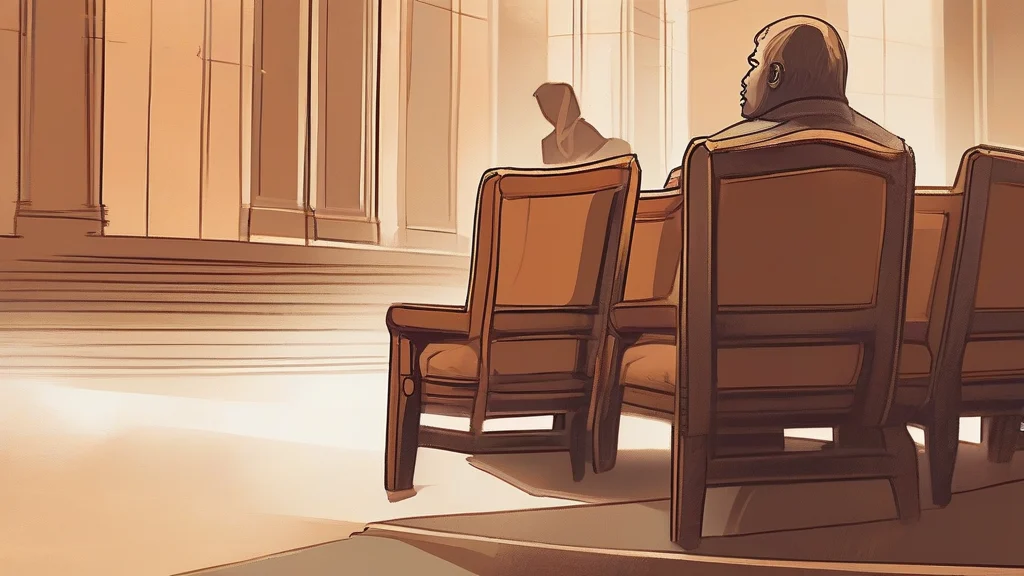
What does unseating mean?
Unseating means causing someone to lose a seat or position. Literally, it can refer to knocking or forcing a person out of a chair or making them fall from a seat. More commonly, it is used figuratively for removing someone from an influential role, such as a minister, political leader, executive, or champion. The word often implies a decisive change in status: a result, vote, challenge, scandal, or political defeat overturns the person's position. In sports, unseating a champion means defeating the holder of the title; in politics and public life, it usually means forcing an official or leader out of office. The noun “unseating” and the verb form are both established, although the verb is commonly encountered in phrases such as “unseating a minister” or “unseating the champion.” The term is formal in tone and is especially associated with journalism, politics, and competitive contexts.
The act of removing someone from a seat, office, or position of authority, especially through defeat or displacement.
"The opposition celebrated the unseating of the long-serving minister."
As a noun, it is especially common in political, institutional, and sporting reports.
To remove someone from a seat or position, especially by defeating them or forcing them out of office.
"The challenger's victory unseated the reigning champion."
Usually transitive and formal; it may be used literally but is most frequent in figurative contexts.
The plural is uncommon; constructions such as “the unseating of the champion” are more usual.
"The two unseatings shocked the political establishment."
The word has a double life: it can describe a champion being knocked from a seat and a leader being driven from office.
Reviewed by Deb Chak, Editor. AI-assisted content curated by RJS Tech Solutions LLP.
Where does unseating come from?
The word is formed from the prefix un-, meaning “reverse” or “undo,” combined with seat, meaning to place someone in a seat or office. Seat descends from Old English sete and ultimately from Latin sella, while un- is a Germanic prefix used to reverse the meaning of a base word. Unseating developed as the gerund and noun of unseat, with related forms such as reseat and deseat sharing the same underlying root.
Related word forms
How unseating is actually used
The word is most often used in formal or journalistic contexts, particularly in politics, competition, and institutional decision-making. In its figurative sense, it carries the connotation of removing someone from an established position by force, defeat, or political change.
Easily confused with unseating
Unseat is the base verb meaning to remove someone from a seat or position, while unseating is its gerund form and the corresponding noun for the act of unseating.