What does venography mean?
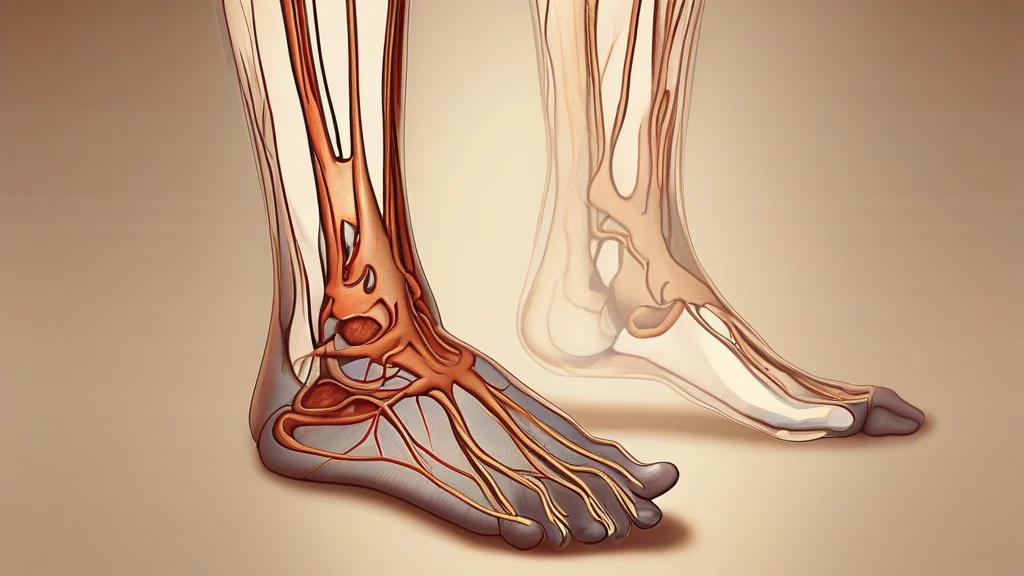
Venography is a medical imaging technique that uses X-rays to visualize the veins and blood flow in the body. It is commonly used to diagnose and treat conditions related to the veins and blood flow, such as deep vein thrombosis and varicose veins. The technique involves injecting a contrast agent into the veins and then taking X-ray images to visualize the blood flow. Venography is typically performed by a radiologist and is an important tool in the diagnosis and treatment of vascular conditions. While it is a relatively safe procedure, venography does carry some risks, such as allergic reactions to the contrast agent and damage to the veins. Overall, venography is a valuable medical imaging technique that helps doctors diagnose and treat a range of vascular conditions.
nounA medical imaging technique that uses X-rays to visualize the veins and blood flow in the body, especially in the legs.
- A medical imaging technique that uses X-rays to visualize the veins and blood flow in the body, especially in the legs.
"The doctor ordered a venography to diagnose the patient's deep vein thrombosis."
"The doctor ordered a venography to diagnose the patient's deep vein thrombosis."
"The radiologist performed a venography to visualize the blood flow in the patient's legs."
The plural form 'venographies' is used to refer to multiple instances of the medical imaging technique.
"The radiologist performed multiple venographies to diagnose the patient's vascular conditions."
Reviewed by Deb Chak, Editor. AI-assisted content curated by RJS Tech Solutions LLP.
Etymology of venography
The word 'venography' comes from the Greek words 'vena', meaning vein, and 'graphy', meaning writing or drawing. The term was first used in the early 20th century to describe the medical imaging technique that uses X-rays to visualize the veins and blood flow in the body.
How venography is actually used
Venography is a medical imaging technique that is typically used to diagnose and treat conditions related to the veins and blood flow in the body. It is often performed using X-rays and is commonly used to diagnose deep vein thrombosis, varicose veins, and other vascular conditions.