
What does ventriloquism mean?
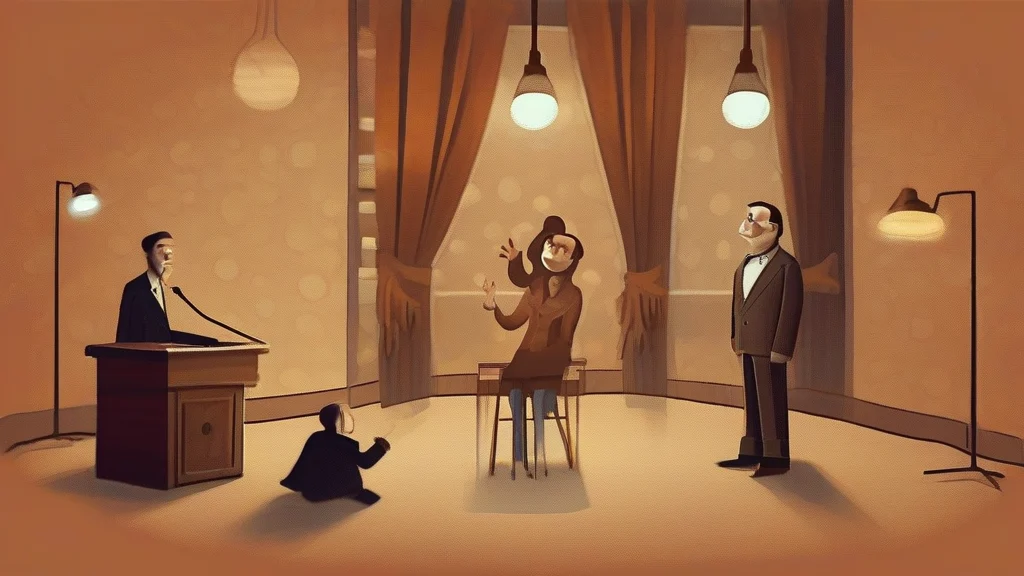
Ventriloquism is the performance art of making a puppet, dummy, or other inanimate object appear to speak. The performer may manipulate the figure's mouth and coordinate its movements with speech, making the exchange look like a conversation between two characters. The word most often refers to a stage or variety-show performance, though it can also describe the skill involved in convincing audiences that an object possesses speech. Its connotations are generally playful and theatrical, although the appearance of an independently speaking figure can also create comic deception. Ventriloquism entered English from French in the early 17th century and derives from Latin words meaning “belly” and “to speak.” The name reflects the historical association of the practice with producing sounds from the abdomen, but modern performances commonly rely on vocal control, timing, puppet manipulation, and the coordinated illusion of speech. The word remains useful because it names both a distinctive performance tradition and the broader art of convincing an audience that an inanimate figure is alive and articulate.
nounVentriloquism is the performance art of making speech appear to come from a dummy, puppet, or other inanimate object, usually by manipulating its mouth while speaking.
- The art or performance of making speech appear to originate from a dummy, puppet, or other inanimate object.
"Her polished ventriloquism transformed the wooden puppet into a convincing character with a mind of its own."
"The ventriloquism routine earned the young performer a standing ovation."
"Their partnership combined ventriloquism with sharp, improvised dialogue."
Rarely used; ventriloquism is normally uncountable.
"The programme featured three ventriloquisms with different puppets."
Its name literally means “speaking from the belly”: the act that lets an inanimate puppet appear to talk.
Reviewed by Deb Chak, Editor. AI-assisted content curated by RJS Tech Solutions LLP.
Where does ventriloquism come from?
Ventriloquism entered English from French ventriloquisme in the early 17th century. It ultimately comes from Latin ventriloquium, literally “speaking from the belly,” formed from venter, meaning “belly,” and loqui, meaning “to speak.” The same Latin roots are reflected in English words such as ventral, venter, eloquent, and loquacious.
Related word forms
How ventriloquism is actually used
The word is normally neutral and refers to a staged performance. It is usually treated as an uncountable noun, although a rare plural can distinguish separate acts or performances.
Easily confused with ventriloquism
Ventriloquy is a less common variant of ventriloquism rather than a separate practice.
A ventriloquist is the performer, whereas ventriloquism is the art or performance itself.