
What does vermiculite mean?
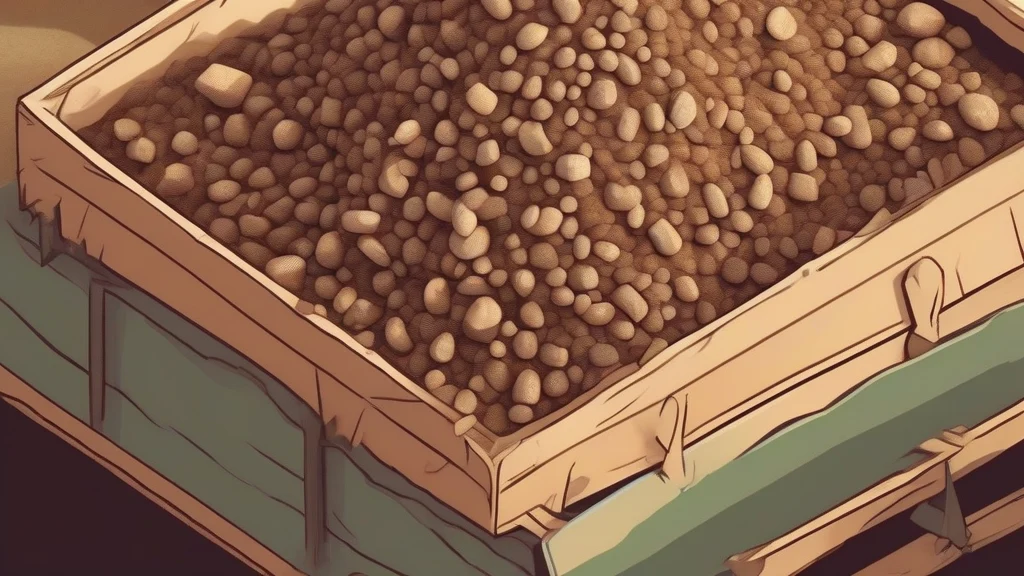
Vermiculite is a hydrated magnesium-aluminum silicate mineral that occurs in a compact, layered form. When rapidly heated, water is driven from between its layers and the mineral expands, exfoliating into thin, curling flakes. This property makes expanded vermiculite useful as a lightweight loose-fill insulator and as an aggregate in plaster and concrete. It is also widely used in horticulture, where its porous structure helps retain moisture while improving aeration and drainage around plant roots. Vermiculite is valued more for its practical properties than for decorative appeal, so the word usually carries a technical or industrial connotation. Its unusual name comes from Latin, meaning “little worm,” a reference to the wormlike shape of the expanded flakes. Together with perlite, it remains one of the best-known lightweight mineral materials used in insulation and growing media.
nounA soft, micaceous mineral composed chiefly of hydrated magnesium and aluminum silicate. When rapidly heated, it expands and exfoliates into lightweight flakes used in insulation, plaster, concrete, and horticultural growing media.
- A soft, micaceous mineral composed chiefly of hydrated magnesium and aluminum silicate.
- The expanded, lightweight material made by heating this mineral, used especially as an insulating or aggregate material.
"Expanded vermiculite was used to insulate the walls of the building."
"The gardener mixed vermiculite with peat to improve drainage around the seedlings."
"Loose-fill vermiculite was installed between the walls to reduce heat loss."
The plural is uncommon and is used mainly when referring to distinct mineral specimens, types, or occurrences rather than the material in bulk.
"The collection includes vermiculites from several geological localities."
Heat vermiculite and its dark, compact layers burst into pale, wormlike flakes—an expansion that made it a lightweight insulating material long before modern “eco” packaging.
Reviewed by Deb Chak, Editor. AI-assisted content curated by RJS Tech Solutions LLP.
Etymology of vermiculite
The name derives from Latin vermiculus, the diminutive of vermis, meaning “worm.” It refers to the way heated vermiculite separates into curved, wormlike flakes. English forms such as vermicular, vermiculate, and vermiculation come from the same Latin root and likewise concern wormlike shapes or movements.
How vermiculite is actually used
This is primarily a technical, industrial, horticultural, and geological term. In insulation contexts, it normally refers to the expanded form rather than the untreated mineral.
Easily confused with vermiculite
Vermiculite is a layered micaceous mineral that separates into curling flakes when heated, whereas perlite is expanded volcanic glass.