
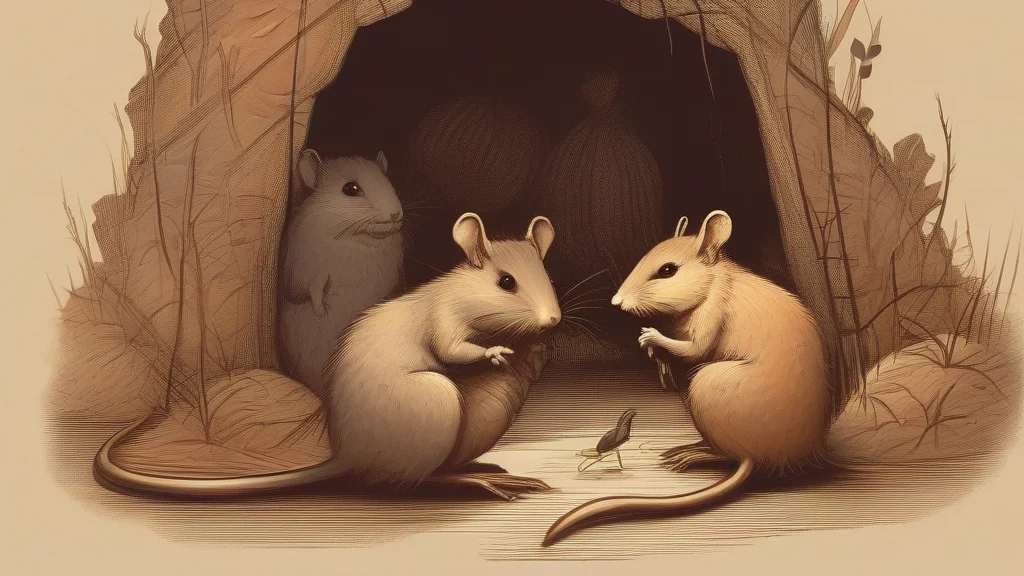
What does vermin mean?
Vermin is a collective noun for wild or domestic creatures—especially rodents, insects, and other small animals—regarded as pests or sources of contamination. It is also used for lice and similar parasites living on or inside people or animals and, figuratively, for people whom the speaker regards as contemptible or morally loathsome. The ordinary plural is unchanged: “the vermin,” rather than “vermins.” In animal contexts, the word emphasizes harmfulness, infestation, and revulsion rather than biological classification, so it can cover creatures that vary greatly in species. Its figurative use is forceful and insulting, making it unsuitable in neutral descriptions of groups of people. The word is familiar in both British and American English, although “varmint” is more common in American usage. Historically associated with crawling creatures and worms, vermin came to carry strong associations with dirt, disease, infestation, and moral pollution.
nounA collective noun for wild or domestic animals, especially rodents and insects, regarded as harmful or offensive. It can also refer contemptibly to people considered loathsome.
- Wild or domestic animals, especially rodents and insects, regarded as harmful, offensive, or troublesome.
- Parasites such as lice living on or inside a person or animal.
- People whom the speaker regards as contemptible or morally loathsome.
"The old warehouse was infested with vermin and had to be sealed for fumigation."
"Signs of vermin appeared in the grain store, and the owner called an exterminator."
"He dismissed the corrupt officials as vermin and refused to negotiate with them."
The standard plural is unchanged and the noun normally has a collective meaning.
"The vermin had spread through the food store before anyone noticed."
Vermin has traveled from crawling creatures to moral contempt: what once merely crawled can now condemn people as loathsome.
Reviewed by Deb Chak, Editor. AI-assisted content curated by RJS Tech Solutions LLP.
Where does vermin come from?
English vermin developed during the Middle English period from Old French vermine, used for crawling creatures or worms. Old French in turn continued Latin vermis, meaning “worm,” while the collective sense developed as the word came to denote a group of small noxious creatures. English worm is a cognate, while forms such as vermiculture and vermiculate continue the same Latin root.
How vermin is actually used
Usually collective, with an unchanged plural form. For animals, it emphasizes pest status rather than biological classification; for people, it is a strongly derogatory and insulting term.
Easily confused with vermin
Varmint is chiefly an American spelling of vermin and has the same collective and figurative meanings.