
What does vesica mean?
Vesica is a formal, chiefly anatomical noun meaning a bladder, particularly the urinary bladder. In medical writing it commonly appears in the traditional Latin designation vesica urinaria, while related terminology uses forms such as vesical for something connected with a bladder. The word also has two specialized applications outside ordinary anatomy. It can refer to the air-filled swim bladder of a fish, and in the expression vesica piscis it names the pointed oval or almond-shaped aureole that encloses Christ, the Virgin Mary, or another sacred figure in medieval and Renaissance Christian art. That art-historical sense is especially memorable because the Latin phrase literally means “fish bladder,” reflecting the bladder-like shape from which the convention developed. For most modern readers, vesica is more likely to appear in medical, historical, or museum contexts than in everyday speech, where bladder is normally preferred.
nounA bladder, especially the urinary bladder. The word can also denote a fish's air bladder or, in the phrase vesica piscis, the pointed oval or almond shape used to enclose a sacred figure in Christian art.
- An anatomical bladder, especially the urinary bladder.
- The air-filled swim bladder of a fish.
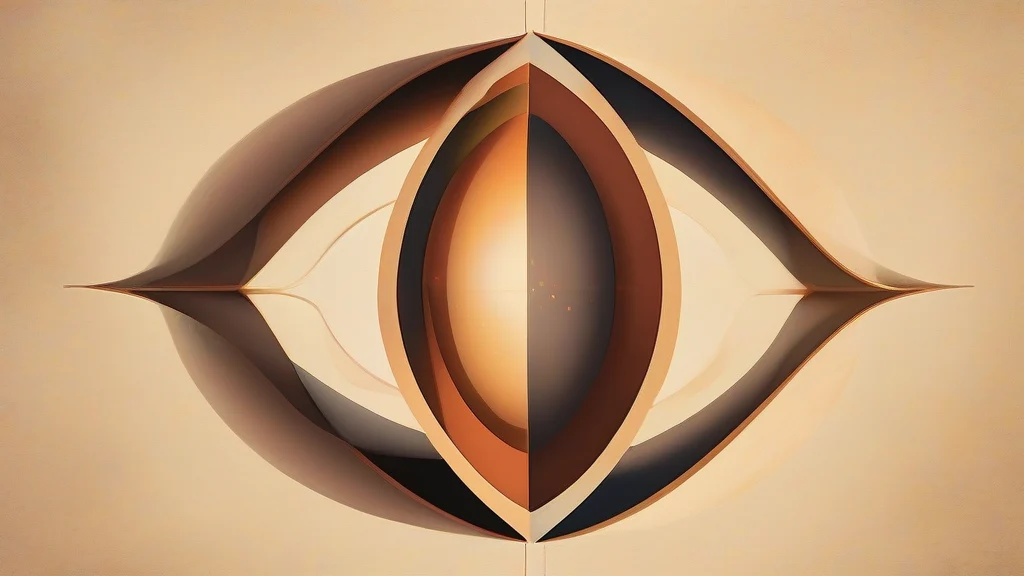
- A pointed oval or almond-shaped enclosure used around a sacred figure in Christian art, especially in medieval and Renaissance imagery.
"The vesica is a specialized anatomical term for the urinary bladder."
"In anatomical terminology, the vesica stores urine before it leaves the body."
"The figure of Christ appears within a radiant vesica piscis in the medieval manuscript."
The conventional plural follows the Latin pattern and is used especially in anatomical writing.
"The surgeon examined both vesicae during the procedure."
Vesica piscis literally means “fish bladder,” yet it became the name for the almond-shaped aureole surrounding Christ and other sacred figures.
Reviewed by Deb Chak, Editor. AI-assisted content curated by RJS Tech Solutions LLP.
Where does vesica come from?
Vesica was borrowed from Latin, where it meant “bladder,” including both the urinary bladder and the air bladder of a fish. The Latin phrase vesica piscis, meaning “fish bladder,” was later applied to the almond-shaped enclosure used in Christian art. English developed related derivatives such as vesicate, vesication, and vesicator from this Latin word and the associated Latin verb.
Related word forms
How vesica is actually used
Vesica is formal and relatively uncommon in general English. Anatomical and art-historical texts often preserve the traditional Latin expressions, while modern speakers usually say bladder or mandorla. Its plural is conventionally vesicae, following Latin usage.
Easily confused with vesica
A vesicle is a small cavity, sac, or blister, whereas a vesica is a larger bladder-like structure, especially the urinary bladder.