
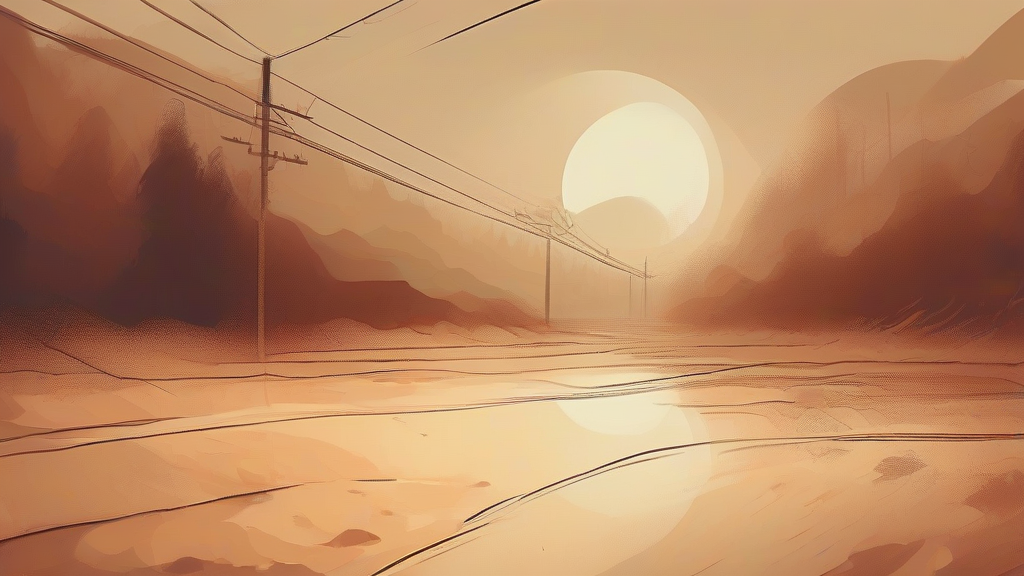
What does vignetting mean?
Vignetting is the gradual darkening or fading of an image toward its edges, especially in photography, film, video, and digital graphics. The effect can arise unintentionally from lens design, light falloff, or the way a camera projects an image, with the corners becoming noticeably darker than the center. Photographers may also use vignetting deliberately to emphasize a central subject, soften the composition, or create a dramatic, vintage atmosphere. Because the darkened edges naturally concentrate attention on the middle of an image, the term has become familiar to both technical and general audiences. It is also useful when discussing image quality, distinguishing an intentional stylistic choice from an undesirable optical artifact. In everyday visual culture, vignetting often suggests drama, intimacy, or a slightly aged appearance, even when no technical correction is being considered.
nounVignetting is the gradual darkening or loss of brightness toward the edges of an image, especially a photograph or video frame. It may occur naturally because of lens design or lighting, or be added deliberately to direct attention toward the center.
- The gradual darkening or loss of brightness toward the edges of an image, especially a photograph, film frame, or video image.
- The deliberate addition of darker edges to an image to emphasize its central subject or create a particular mood.
"Subtle vignetting gives the portrait a soft, atmospheric focus."
"The photograph suffered from vignetting, with its corners noticeably darker than the center."
"The designer added subtle vignetting to keep the viewer's attention on the subject."
The noun is normally used as an uncountable singular or mass noun; plural forms are uncommon.
"The image editor tested several vignettings before choosing the most natural effect."
In photography, vignetting is the art of the dimmed edge—sometimes an accident, sometimes a spotlight.
Reviewed by Deb Chak, Editor. AI-assisted content curated by RJS Tech Solutions LLP.
Etymology of vignetting
English borrowed the word through French vignette, a diminutive of vigne, meaning “vine,” from Latin vinea, “vineyard” or “vine plot.” Vignetting developed as a gerund associated with the verb meaning to make or treat an image as a vignette and later acquired its established technical sense in photography and optics. Its wider relatives include vine, vineyard, and vintage, all reflecting the ancient association of the word family with grapes and wine.
How vignetting is actually used
Vignetting is chiefly a technical term in photography, film, video, optics, and digital imaging. It is usually treated as an uncountable noun, and the expression is often neutral when describing an optical effect but can convey an intentionally dramatic or nostalgic style when used artistically.
Easily confused with vignetting
A vignette is the framed illustration or image itself, whereas vignetting is the darkening around an image's edges or the technique used to create that effect.