
What does viking mean?
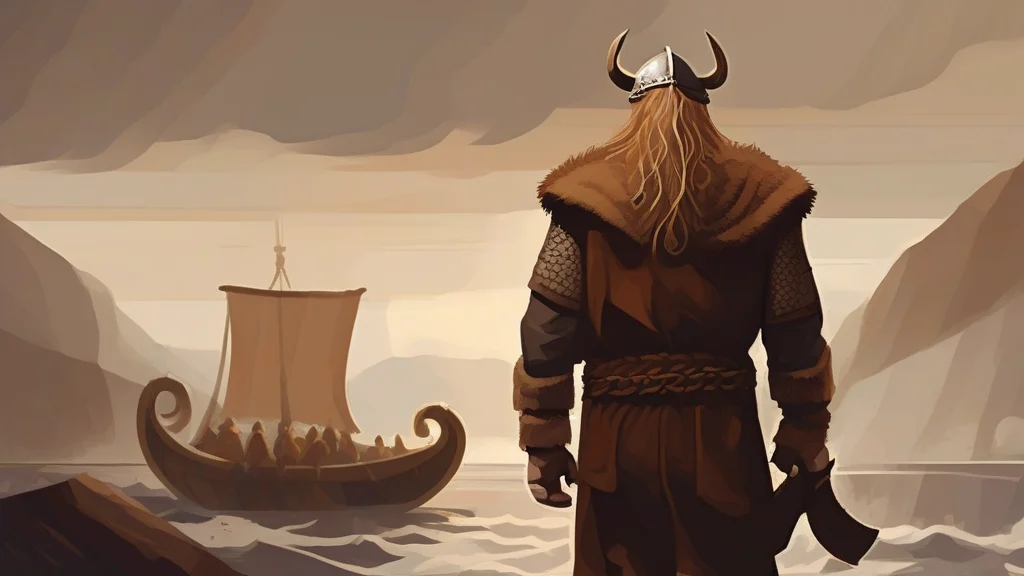
A Viking is a Scandinavian seafarer associated especially with the Viking Age, roughly the eighth to eleventh centuries. The word can refer to raiders who attacked settlements in Europe, but it also applies more broadly to Scandinavian travelers, traders, warriors, and settlers who sailed across the North Atlantic. In modern English, “Viking” is frequently used as an adjective, as in “Viking ship,” “Viking raid,” or “Viking Age.” Its historical associations include seafaring, warfare, exploration, and long-distance trade, although popular culture sometimes presents Vikings mainly as fearsome raiders. The term remains useful because it identifies a distinctive Scandinavian maritime culture and helps distinguish these historical seafarers from pirates generally. In contemporary usage, it may also carry a broader cultural or sporting connotation of boldness, independence, and a willingness to venture into unfamiliar territory.
A Scandinavian seafarer, especially a warrior or raider active during the Viking Age.
"The saga describes the Viking and his crew sailing across the northern seas."
Usually capitalized in historical reference: “the Vikings” or “a Viking.”
Relating to Vikings, Viking culture, the Viking Age, or associated ships, weapons, and practices.
"Archaeologists discovered a Viking burial beneath the church."
Commonly used before nouns such as “ship,” “raid,” “warrior,” and “Age.”
The standard plural is “vikings,” usually written with a capital V when referring to the historical Scandinavian seafarers.
"Vikings established settlements in Iceland, Greenland, and parts of North America."
Vikings were more than feared raiders: they were Scandinavian seafarers who traded, settled, and explored as well as fought.
Reviewed by Deb Chak, Editor. AI-assisted content curated by RJS Tech Solutions LLP.
Where does viking come from?
The English word comes from Old Norse víkingr, probably associated with vík, meaning a bay or inlet, and with related forms such as víkja, meaning to turn or move. The term entered English in the early seventeenth century for Scandinavian raiders. Modern Scandinavian languages preserve cognate forms with the same Germanic origin, while English later extended the word into a general historical and cultural label.
Related word forms
How viking is actually used
The word is commonly capitalized as “Viking” when referring to the historical people, period, or culture. It can also appear in modern names and expressions, where it may evoke exploration, toughness, independence, or maritime adventure.