
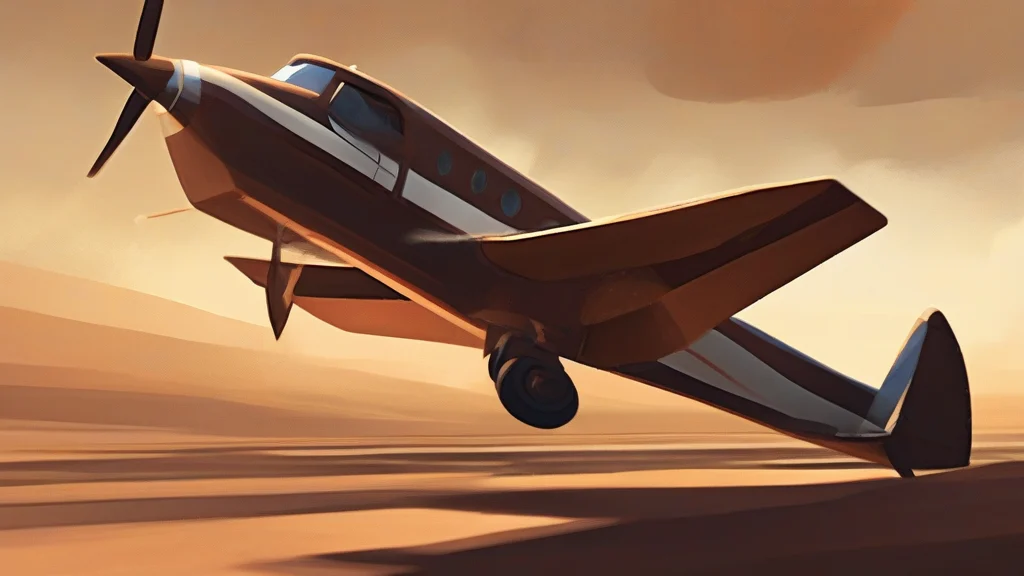
What does volplaned mean?
Volplaned is a rare Scots adjective meaning flying, soaring, or borne through the air. It is the past-participle form of volplane, an old Scots verb for flying or gliding, and can describe an animal, person, or object that has taken flight or remains airborne. The word has a strongly literary and archaic character, so it is encountered chiefly in Scottish texts, poetry, and descriptions that call for an elevated or pictorial tone rather than everyday modern prose. Its rarity can make it seem like an invented synonym for airborne, but it is a genuine historical Scots form. The term is especially effective when it marks an unusual or graceful sight: a bird stays volplaned above a cliff, or a figure remains suspended in flight. In such contexts, volplaned conveys not merely the fact of being airborne but also the visual motion or spectacle of flight. For most contemporary speakers, plain alternatives such as flying, soaring, airborne, or aloft are more immediately understood.
adjectiveFlying, soaring, or borne through the air. It is the past-participle form of the Scots verb volplane.
- Flying, soaring, or borne through the air.
- In extended literary use, moving freely or impressively through the air.
"A lone eagle remained volplaned above the cliff."
"A single eagle remained volplaned above the ridge."
"The dragon turned volplaned through the evening clouds."
Volplaned is Scots for “flying,” and its rarity gives the spectacle of flight an antique, poetic glow.
Reviewed by Deb Chak, Editor. AI-assisted content curated by RJS Tech Solutions LLP.
Etymology of volplaned
Volplaned is the past-participle form of the Scots verb volplane, “to fly or soar.” Scots volplane is associated with French voler, “to fly,” and planer, “to glide or plane,” combining the ideas of flight and gliding. Its English relatives include volatile and volley from Latin volare, “to fly,” and planar from the Latin planus family associated with flatness or gliding.
Related word forms
How volplaned is actually used
Chiefly Scottish and now archaic or literary rather than part of ordinary contemporary English. It may function attributively or predicatively, as in “the volplaned bird” and “the bird remained volplaned.”