
What does wag mean?
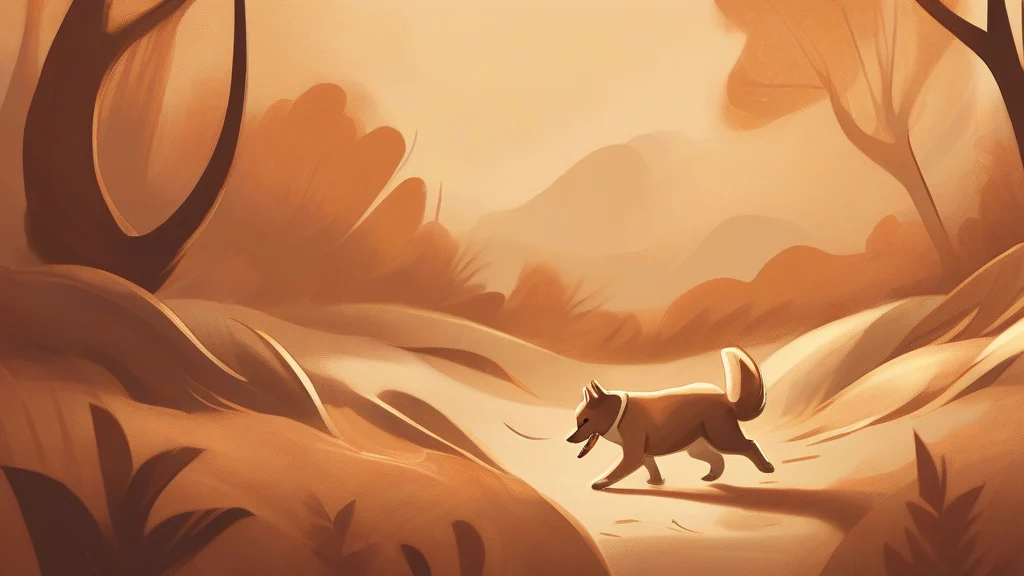
To wag is chiefly to move a tail rapidly from side to side, as a dog does in greeting, excitement, or friendliness. The verb can also describe a similar side-to-side movement of a finger, head, flag, or other object, although such uses often carry a light or deliberately comic tone. As a noun, a wag is one quick movement of a tail or comparable appendage. The expression “wag the dog” extends the word into political and everyday figurative language for distracting attention from the more important issue. In ordinary use, wag is warm, playful, and associated with canine enthusiasm, but its figurative meanings can suggest restlessness, ostentatious movement, or diversion. It is therefore useful to readers because it links an ordinary physical action with a vivid metaphor about movement and misplaced priorities.
To move a tail rapidly from side to side, especially as a dog greets or shows affection; more generally, to wave or oscillate something with a quick side-to-side movement.
"The dog wagged its tail as soon as it saw us."
The canine sense is the most common. Uses involving people or objects often suggest playful, comic, or conspicuous movement.
A quick side-to-side movement, especially of a dog's tail.
"The dog's quick wag greeted us at the door."
Usually singular when referring to a movement or gesture, though the plural wags is used for repeated movements.
The plural is wags and refers to separate tail movements or instances of wagging.
"The dog gave two excited wags before bounding toward the door."
A dog's tail can say hello long before its owner finds the words.
Reviewed by Deb Chak, Editor. AI-assisted content curated by RJS Tech Solutions LLP.
Where does wag come from?
Wag comes from Middle English waggen, from Old English wagian, meaning “to move to and fro” or “shake.” The Old English word belongs to a Germanic family that includes Old Norse vagga, “to rock,” and is commonly connected with Latin vagus, “wandering,” the source of words such as vague, vagrant, vagabond, and vagary.
Related word forms
How wag is actually used
The word is most naturally associated with dogs and carries friendly, playful, and affectionate connotations. Figurative uses can suggest nervous or restless movement and are often informal or humorous.