
What does walleye mean?
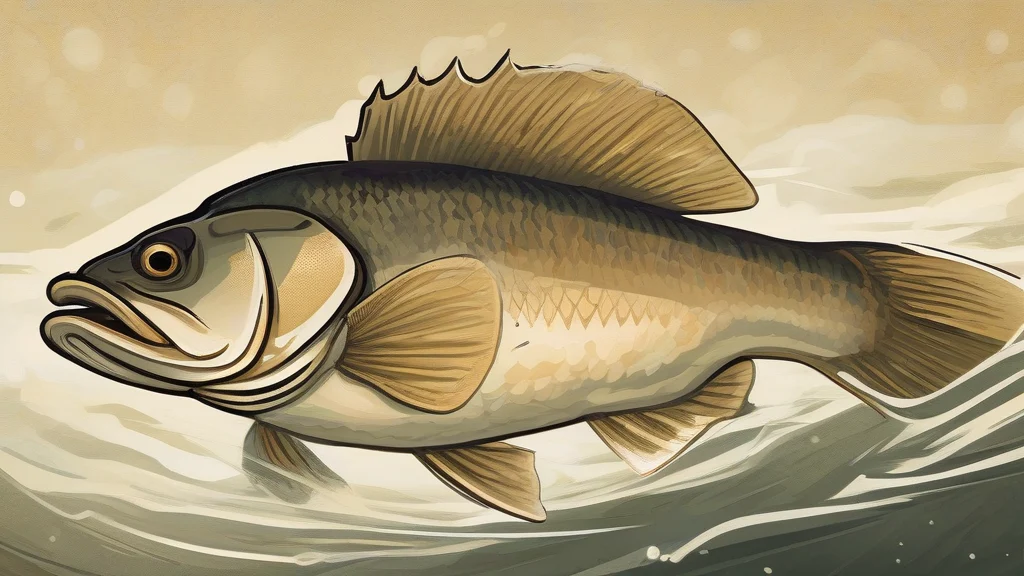
Walleye most often denotes a freshwater fish of the perch family, Sander vitreus, native to northern and central North America and highly valued by anglers. The fish is recognized by its long body and unusually large, glassy eyes; a reflective layer behind the retina helps it locate prey in dim or murky water. Its pale, staring appearance also gave rise to the word’s older association with a “wall-eye,” an eye whose iris appears white or very pale blue because of reduced pigmentation. In modern American and Canadian English, however, walleye usually means the fish, and walleyes is the regular plural. The name is pronounced “WALL-eye” by many speakers, although “WALL-ee” is also heard, especially in angling circles. Walleye is also the name of a fishing technique, as in walleye fishing, and a recreational fishery may be called a walleye slot when it concentrates on this species. These uses make walleye both a precise species term and a familiar word in North American freshwater fishing culture.
nounA freshwater fish of the perch family, Sander vitreus, native to central and northern North America and valued as a game and food fish. Less commonly, a walleye is an eye whose iris appears white or very pale blue because of reduced pigmentation.
- A freshwater fish of the perch family, Sander vitreus, found in central and northern North America and valued by anglers.
- An eye with a white or unusually pale blue iris, caused by reduced pigmentation.
"A walleye hovered beneath the lily pads, its glassy eyes catching the last light."
"A walleye hovered beneath the lily pads, its glassy eyes catching the last light."
"The blue-eyed collie was known for its striking walleyes."
Walleyes is the standard plural. In angling usage, walleye is also sometimes used unchanged as a plural.
"The fishermen caught three walleyes before the storm reached the lake."
A walleye’s eerie, glassy stare is functional: a reflective layer behind its retina helps it hunt in dark water.
Reviewed by Deb Chak, Editor. AI-assisted content curated by RJS Tech Solutions LLP.
Where does walleye come from?
The word developed in North American English from wall-eye, an older English term for an eye with a whitish or pale iris. By the early nineteenth century, the term was also being applied to the fish because of its conspicuous pale, glassy-looking eyes. The standardized spelling walleye eventually became the usual form.
Related word forms
How walleye is actually used
The fish sense is dominant in North American English. The pronunciations “WALL-eye” and “WALL-ee” are both common, particularly in angling contexts. The eye sense is much less common and is more often written wall-eye.