
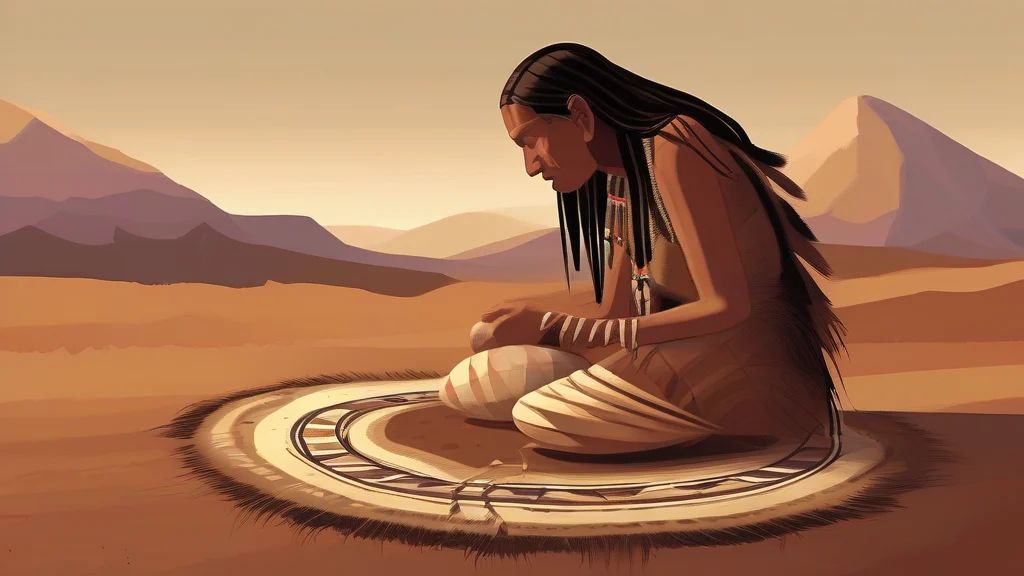
What does wampumpeag mean?
Wampumpeag is a specialized historical term for a string, belt, or other arrangement of beads made from polished shells. Among Algonquian-speaking nations in northeastern North America, such beads—often white, purple, or both—served as decoration, valuables, objects exchanged in diplomacy and trade, and in some cases records of transactions or agreements. The term is still used in museums, scholarship, conservation, and discussion of Indigenous material culture, while the broader word wampum is more common in general usage. Wampumpeag is not simply a synonym for every Native American beadwork object: it points more specifically to shell-bead strands and belts, and traditions varied considerably among the communities that made and used them. Today the word carries a strong historical and cultural association and is often encountered in descriptions of museum collections and ceremonial objects. It is worth knowing because it names a specific form of beadwork embedded in the economic and diplomatic histories of the Northeast, while also underscoring that these objects belonged to diverse Native nations rather than to a single undifferentiated tradition.
nounA string, belt, or similar arrangement of beads fashioned from shells, traditionally white, purple, or both, and made and used by Indigenous peoples of northeastern North America. Such beads served as adornment and valuables and were also exchanged and used to record transactions or agreements.
- A string, belt, or other arrangement of beads made from shells, traditionally white, purple, or both, used by Indigenous peoples of northeastern North America as adornment, valuables, objects of exchange, and sometimes records of transactions or agreements.
"The museum displayed a belt of wampumpeag woven with purple and white shell beads."
"A seventeenth-century wampumpeag was interpreted at the museum as a record of an agreement."
"The curator carefully explained the cultural significance of the wampumpeag necklace before displaying it."
The standard plural is wampumpeags, although wampumpeag can also be used collectively or in mass use.
"The two wampumpeags were presented to the assembled delegates."
Long before paper money, communities in northeastern North America used intricately patterned shell beads as valuables, diplomatic objects, and records of agreements.
Reviewed by Deb Chak, Editor. AI-assisted content curated by RJS Tech Solutions LLP.
Etymology of wampumpeag
Wampumpeag entered English in the early eighteenth century from an Algonquian language of the Northeast, probably Narragansett. The closely related term wampum is likewise of Algonquian origin; wampumpeag has often been analyzed as a combination involving wampum and peag, although its precise internal history is not fully settled. Wampumpeague is an attested English variant of the word.
Related word forms
How wampumpeag is actually used
Chiefly historical or specialized, appearing in scholarship, museums, conservation, and discussions of Indigenous material culture. The broader term wampum is more common in general usage. Present-day use should respect the diverse Native nations and regional traditions associated with these objects.
Easily confused with wampumpeag
Wampum is the broader collective term for shell beads and beadwork, whereas wampumpeag more specifically denotes a string, belt, or arrangement of such beads.