
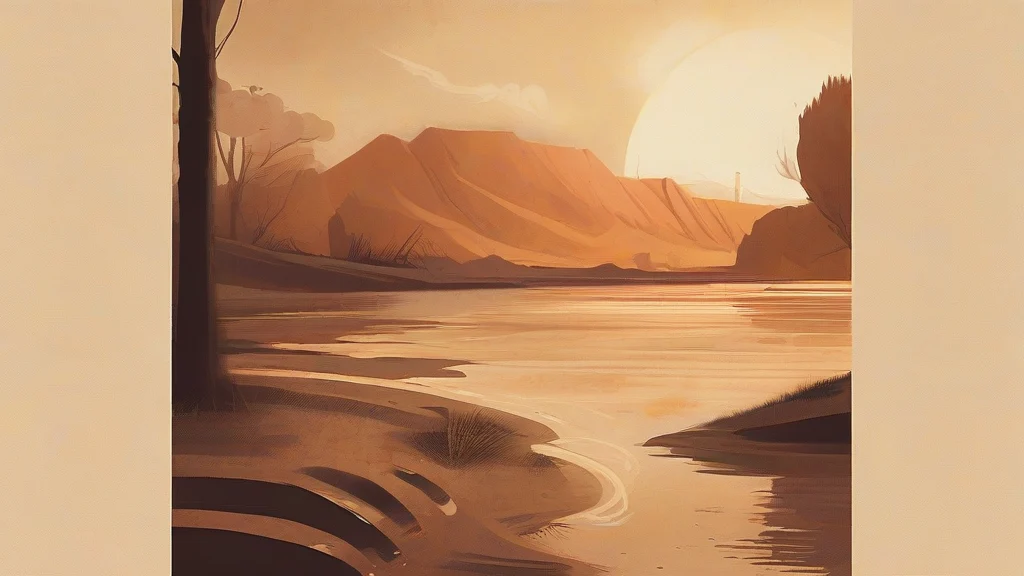
What does washier mean?
Washier is the comparative form of the adjective washy, meaning more watery, diluted, faded, or lacking in substance. It is especially useful for describing colors or outlines that seem pale and indistinct, liquids that contain too much water, and writing, voices, or arguments that lack strength or clarity. The word often implies gradual depletion: a color becomes washier as its intensity disappears, a broth becomes washier when it is thinned, and a voice may become washier as it weakens. In an explicit comparison, it normally appears with “than,” as in “the second version is washier than the first.” It can also stand attributively in phrases such as “a washier shade of blue.” Although washier may initially suggest laundry because of its association with wash, its established figurative meanings concern reduced color, substance, or definition rather than the amount someone washes.
adjectiveThe comparative of washy. More watery, diluted, faded, insubstantial, or weakly defined.
- Comparative of washy: more watery, diluted, faded, insubstantial, or weakly defined.
"Her voice grew even washier during the long committee meeting."
"As the rain strengthened, the distant hills took on a washier, more indistinct outline."
"This broth is washier than the one served yesterday."
Washier is less about laundry and more about something that has lost its color, body, or vividness.
Reviewed by Deb Chak, Editor. AI-assisted content curated by RJS Tech Solutions LLP.
Etymology of washier
Washier is the comparative degree of washy, an adjective formed from wash and the suffix -y. The adjective washy has used figurative senses meaning watery, weak, insubstantial, pale, or faded since at least the 17th century, and its comparative and superlative forms follow the regular English pattern. The wider word family includes forms such as washer and washable, while related Germanic words include German waschen and Dutch wassen.
Related word forms
How washier is actually used
Register is neutral. An explicit comparison is normally expressed with “than,” as in “washier than before,” while attributive constructions such as “a washier shade” usually make the comparison implicit.