
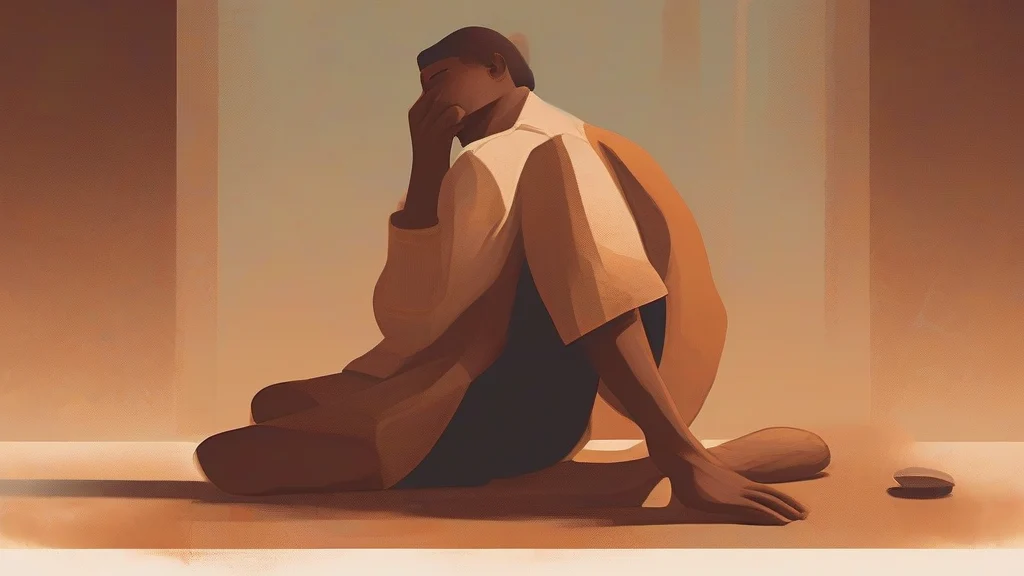
What does wearying mean?
“Wearying” describes an experience that gradually makes a person feel tired, bored, or worn down. It is especially useful when the cause is repetition, monotony, prolonged effort, or something endured for a long time: a “wearying journey,” “wearying task,” or “wearying repetition.” The word can suggest either physical fatigue or the mental strain caused by dullness, though its modern use often carries a connotation of tediousness. As a present participle, it can describe an action or experience that causes weariness: “The heat was wearying.” It can also appear in the third-person singular present form, as in “She is wearying of the delays.” Although “tiring” is more common in everyday speech, “wearying” has a somewhat more literary and deliberate tone, making it effective in formal descriptions of demanding or monotonous experiences.
Causing fatigue, tedium, or a feeling of being worn down.
"The constant delay made the entire process wearying."
Often implies tedium or monotony as well as physical or mental fatigue.
To make someone weary or to grow tired.
"The long climb was wearying the travelers."
Normally appears as the present participle of “weary” or as the third-person singular present form, such as “The heat is wearying.”
A journey can tire the body, but a meeting can weary the mind: “wearying” captures both physical fatigue and the slow drain of boredom.
Reviewed by Deb Chak, Editor. AI-assisted content curated by RJS Tech Solutions LLP.
Where does wearying come from?
“Wearying” was formed by adding the participial ending -ing to “weary.” The adjective “weary” descends from Old English wērig, meaning “weary” or “tired.” Its deeper Proto-Germanic and Indo-European ancestry is not certain enough to state more specifically, but the modern word continues a long English tradition of expressing exhaustion and the effects of prolonged strain.
How wearying is actually used
As an adjective, “wearying” is formal to neutral and is especially common in writing about tedious activities, repeated effort, and prolonged experiences. It is less common in everyday speech than “tiring,” but can sound more expressive or literary.
Easily confused with wearying
“Wearing” means having clothing or another item on one's body, whereas “wearying” describes something that causes fatigue or tedium.