
What does weediness mean?
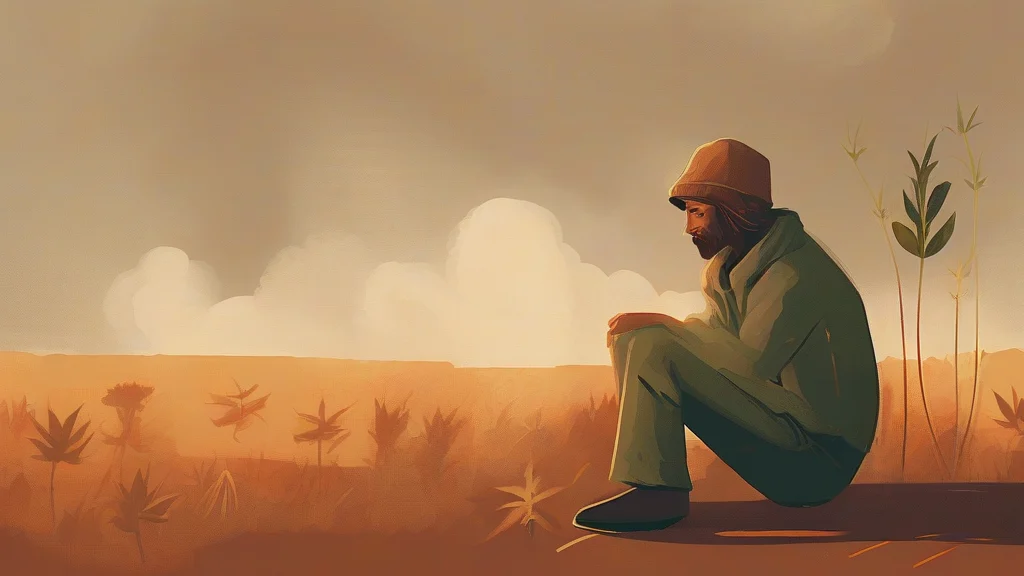
Weediness is a noun meaning the condition of being overgrown with weeds or, more broadly, marked by uncontrolled and excessive growth. In literal use, it commonly describes a neglected lawn, field, garden, or roadside where unwanted vegetation has become prominent. In figurative use, weediness can characterize lushness that has become unruly or difficult to control, such as the tangled quality of a literary style or the sprawling complexity of an argument. The word is more characteristic of gardening, landscape description, and literary criticism than of casual conversation. It can sound mildly negative because unwanted growth implies poor maintenance, though it may also appreciate luxuriance or creative abundance. Weediness follows the ordinary English pattern of adding the suffix “-ness” to an adjective: “weedy” becomes the abstract noun “weediness,” allowing the quality of being weedy to be treated as a thing that can be observed, described, controlled, or criticized.
nounThe state of being overgrown with weeds; excessive, uncontrolled, or luxuriant vegetation. It can also refer figuratively to a wild, unruly, or overgrown quality.
- The condition of being overgrown or dominated by weeds.
- A wild, luxuriant, or uncontrolled quality, especially in vegetation or, figuratively, in writing or other creative work.
"After weeks of rain, the neglected field had become a study in weediness."
"After weeks of rain, the neglected field had become a study in weediness."
"The critic found the novel's profusion of digressions a kind of verbal weediness."
The plural is grammatically possible but very rare; the word is normally used as a mass noun.
"The guide identifies several common weedinesses that gardeners may encounter."
Weediness is a noun for what happens when a garden's plants stop being plants and start becoming problems.
Reviewed by Deb Chak, Editor. AI-assisted content curated by RJS Tech Solutions LLP.
Where does weediness come from?
Weediness was formed in English by adding the noun-forming suffix “-ness” to “weedy.” The adjective “weedy” in turn derives from “weed” plus the suffix “-y.” “Weed” comes from Old English wēod, an inherited word for an herbaceous plant, and the modern noun developed its narrower sense of an unwanted plant.
How weediness is actually used
Usually used as a mass noun; the plural form is possible but uncommon. The word is most natural in gardening, land management, and descriptive writing, and it often carries a mildly critical or literary tone.
Easily confused with weediness
Weediness is the noun naming the condition of being overgrown with weeds, whereas weedy is the adjective describing a place or thing covered with weeds.