
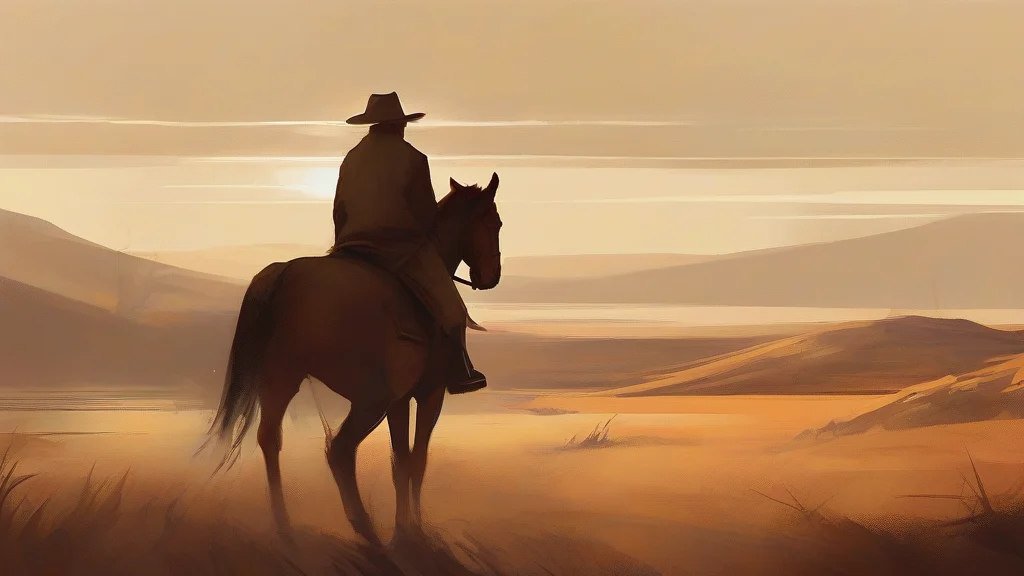
What does westering mean?
Westering means moving or traveling westward and can also name such a movement or journey. The word may function as a verb, an adjective, or a noun: a ship can be westering, the westering sun can cross the sky, and the westering of a people can describe its movement toward the west. Its vocabulary is rooted in the familiar direction west, but the longer form gives that direction a more deliberate and atmospheric quality. It is especially common in literary, poetic, historical, and nautical contexts, where it can suggest an extended voyage, exploration, or the fading light of the setting sun. In everyday prose, heading west or moving westward is generally more direct. Nevertheless, westering is valuable for writing that needs to distinguish purposeful westward movement from the simple geographical direction and that wishes to evoke travel, distance, and the imagery of the western horizon.
A westward movement, journey, or process.
"They watched the westering of the vessel from the northern cliff."
Usually literary or poetic; plural forms are uncommon.
To move or travel westward.
"The fleet spent the night westering toward the distant coast."
Chiefly literary, historical, or nautical.
Moving or tending westward.
"The westering light illuminated the upper slopes."
Often used attributively or participially in poetic and literary contexts.
The noun is normally treated as a mass noun and is seldom used in the plural.
"The long westering of the caravan continued into the evening."
English has westward, but the more literary westering turns a compass direction into an unfolding journey.
Reviewed by Deb Chak, Editor. AI-assisted content curated by RJS Tech Solutions LLP.
Etymology of westering
Westering belongs to the English family of words based on west, the Old English term for the direction of the setting sun. The related direction words westward and western continue that native Germanic vocabulary. The verb westere means “to go west,” and westering developed as its present participle while also acquiring a noun use for the westward movement itself.
Related word forms
How westering is actually used
Chiefly literary, poetic, nautical, or elevated in register. In neutral contemporary prose, westward, heading west, or moving west will usually be more natural.
Easily confused with westering
Westerly usually describes something associated with the west, especially a wind blowing from the west, whereas westering describes movement toward the west.