
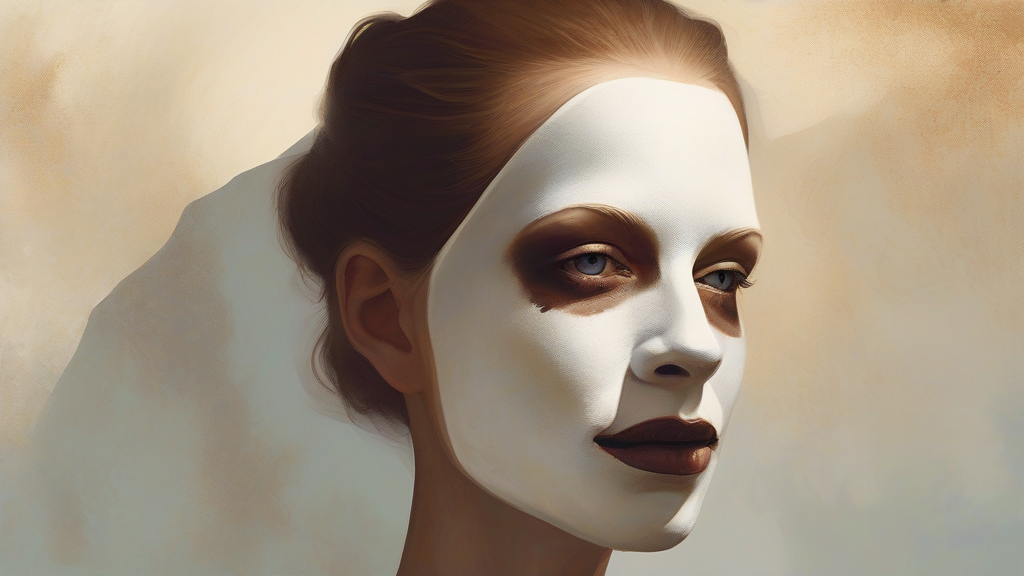
What does whiteface mean?
Whiteface has two importantly different uses. In its principal theatrical sense, it means makeup that whitens a performer's face, traditionally associated with pantomime clowns and other stage characters. As a verb, it refers to applying that makeup, although the noun is by far the usual form. In modern American usage, whiteface also names a derogatory practice in which white performers use makeup, clothing, and wigs to impersonate Native Americans; this is racial caricature rather than neutral stage description. The word can therefore be descriptive or neutral when referring to theatrical makeup, but strongly offensive when referring to racial impersonation. The distinction matters because the two senses share a technique—changing the color and appearance of the face—but carry very different social meanings. Whiteface is most often encountered in discussions of theatre history and cultural appropriation, and it should not be used to describe ordinary face paint without checking the intended sense.
Theatrical makeup that whitens a performer's face, especially the makeup traditionally worn by pantomime clowns. The term can also denote the derogatory use of makeup and costume by white performers to impersonate Native Americans.
"The theatre company is known for its comic clown, who performs in whiteface."
The appropriation-related sense is strongly derogatory, especially in modern American usage.
Characterized by a whitened face or by white theatrical makeup.
"The whiteface clown entered to applause."
Usually encountered attributively in phrases such as whiteface clown or whiteface performer.
To apply white theatrical makeup to the face, especially one's own face.
"She whitefaced herself before going on as the clown."
Rare as a verb; the noun is much more common.
The plural is uncommon; whiteface performers or recasting the sentence is often clearer.
"The troupe included two whitefaces."
In one sense, whiteface is stage paint; in another, it is a racist costume that borrows another people's identity.
Reviewed by Deb Chak, Editor. AI-assisted content curated by RJS Tech Solutions LLP.
Etymology of whiteface
Whiteface is an English compound formed from white and face. White descends from Old English wīt, while face entered Middle English from Old French face, ultimately from Latin facies, meaning form or appearance. Early uses referred to the whitened makeup of stage performers, whereas the later derogatory racial sense developed in connection with white performers portraying Native Americans through stereotyped makeup and costume.
Related word forms
How whiteface is actually used
The theatrical sense is neutral or descriptive and is especially associated with British pantomime. The racial-impersonation sense is strongly derogatory in modern American English and is generally used to criticize racist representation rather than to describe a performer neutrally.
Easily confused with whiteface
Whiteface is the noun for whitened theatrical makeup or its use, whereas white-faced is an adjective describing someone or something with a pale or whitened face.
Blackface specifically means makeup used to caricature Black people, while whiteface normally means theatrical whitening or, in a derogatory context, makeup used to impersonate Native Americans.