
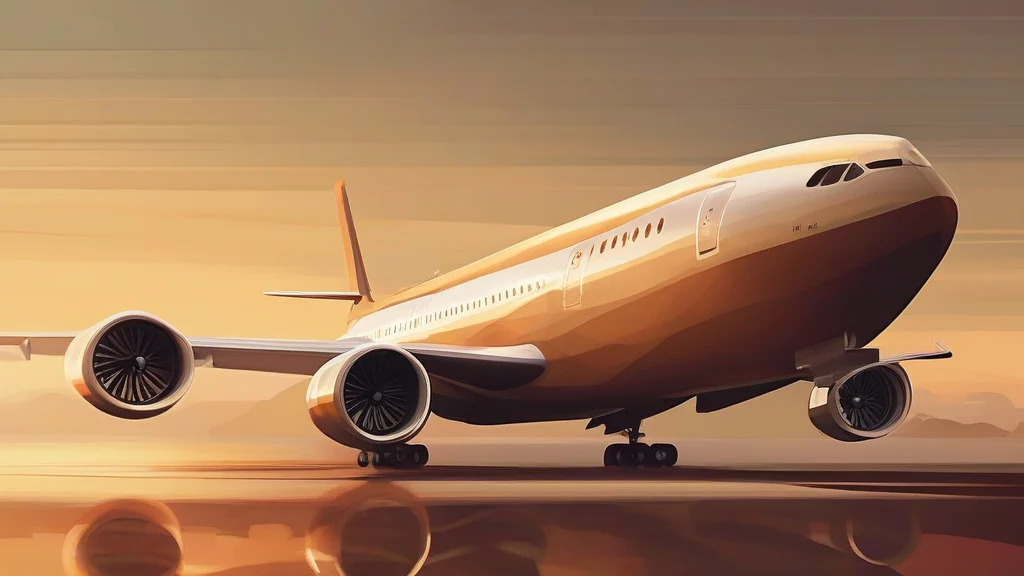
What does widebody mean?
A widebody is a large aircraft whose broad fuselage normally allows two aisles of seating. The term is used particularly for long-distance commercial airliners and is distinguished from a narrowbody, or single-aisle, aircraft. Widebodies are commonly chosen for busy international routes because they can carry more passengers, although their greater capacity does not always make them more economical. The word also appears in discussions of aviation fleets, aircraft orders, fuel efficiency, and airport operations. It may be written either as one word, “widebody,” or with a hyphen, “wide-body,” with the hyphenated form especially common before another noun, as in “wide-body aircraft.” The expression is primarily technical and professional rather than casual, but it is widely understood wherever commercial aviation is discussed.
nounA large aircraft with a broad fuselage, usually wide enough to contain two passenger aisles. The term is used especially for commercial airliners and contrasts with a narrowbody aircraft.
- A large aircraft, especially a commercial airliner, with a fuselage wide enough to accommodate two passenger aisles.
"The airline ordered several widebody aircraft to serve its busiest international routes."
"A widebody aircraft can carry more passengers on a long-haul route than a narrowbody plane."
"The aviation analyst recommended replacing part of the airline's aging widebody fleet."
The regular plural is used when referring to multiple aircraft of this type.
"Several widebodies are parked at the international terminal."
The clue to a widebody is inside the cabin, not beneath the wings: its broad fuselage can accommodate two aisles.
Reviewed by Deb Chak, Editor. AI-assisted content curated by RJS Tech Solutions LLP.
Etymology of widebody
The word is a modern English compound of “wide” and “body.” Its components descend from Old English: “wide” comes from wīde, meaning broad or extensive, while “body” comes from bodig. The compound acquired its aviation sense through the development of large twin-aisle passenger aircraft, and it now principally denotes such aircraft.
How widebody is actually used
Chiefly an aviation term used in technical and professional contexts. The unhyphenated form is common as a noun, while “wide-body” is especially frequent in adjectival use; the two spellings have the same meaning.