
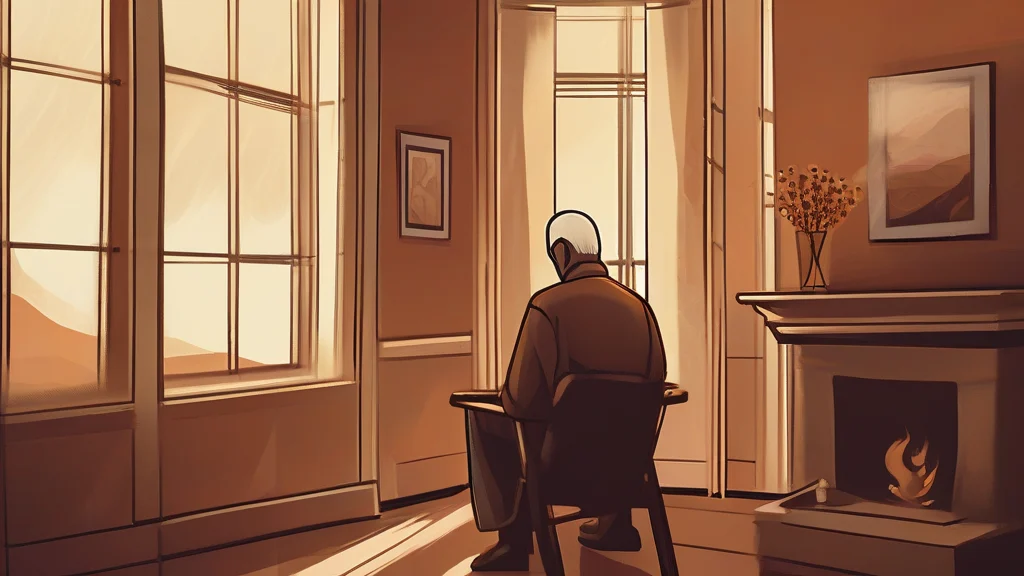
What does widowerhood mean?
Widowerhood means the condition of being a widower: a man whose wife has died. It can denote the social and personal status that follows her death, as well as the period in which he is living as a widower. The word often carries a reflective or literary tone, appearing in memoirs, novels, obituaries, and accounts of bereavement. Its connotations include grief, loneliness, altered routines, and the continuing presence of a shared past. Because the vocabulary of mourning has traditionally placed more emphasis on widows, widowerhood can attract attention to the particular difficulties men may face after losing a spouse. Nevertheless, it describes a range of experiences rather than a fixed emotional state, and those living in widowerhood may experience grief, independence, resilience, relief, or a mixture of emotions. In general prose, bereavement is often a more neutral and inclusive alternative.
nounThe state or condition of being a widower, especially after the death of one's wife. The term may also refer to the period of life following a wife's death.
- The state or condition of being a widower following the death of one's wife.
"He found unexpected strength in the routines of widowerhood, though grief remained close at hand."
"Her father spoke candidly about widowerhood and the loneliness that followed his wife's death."
"The memoir traces a man's gradual adjustment to widowerhood and the creation of a new daily routine."
The plural is grammatically possible but uncommon because widowerhood is usually treated as a mass or abstract noun.
"The stories portray several widowerhoods shaped by different cultures and generations."
Widowerhood is the male counterpart of widowhood, but the traditional language of grief is much less willing to discuss it openly.
Reviewed by Deb Chak, Editor. AI-assisted content curated by RJS Tech Solutions LLP.
Etymology of widowerhood
Widowerhood was formed in English by combining widower with the suffix -hood, which comes from Old English hād and means state, condition, or period. Widower itself derives from an Old English word for a man whose wife had died, ultimately from the same Germanic source as widow. The parallel form widowhood was formed with the same suffix but applies specifically to a woman whose husband has died.
How widowerhood is actually used
Widowerhood is formal and relatively uncommon. It is often used in literary, biographical, or reflective contexts, while bereavement and grief are more broadly applicable terms regardless of gender.
Easily confused with widowerhood
Widowhood refers to a woman whose husband has died, whereas widowerhood refers to a man whose wife has died.