
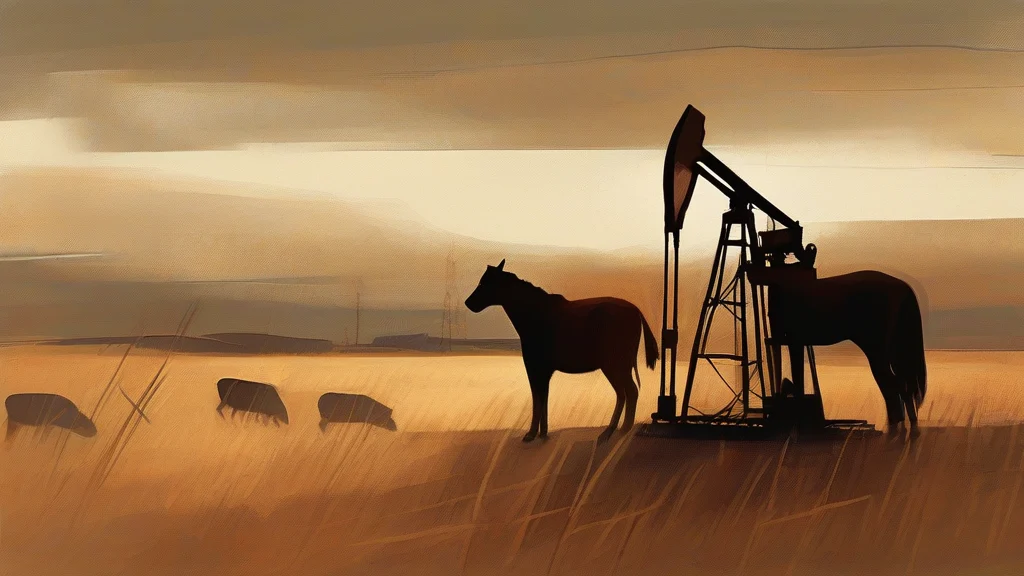
What does wildcatting mean?
Wildcatting is the practice of searching for oil or gas by drilling exploratory wells in areas where reserves have not yet been established. It also carries the broader sense of a risky speculative enterprise, especially an oil or gas venture whose success depends on uncertain geology and market conditions. In modern usage the petroleum sense is by far the most common, but the word’s broader associations with daring and chance make it useful in business and political commentary. The expression is usually treated as an activity or field rather than a simple one-time act: a company may undertake wildcatting, abandon a wildcat well, or defend its decision by appealing to the speculative nature of exploration. It is consequently more demanding than ordinary drilling, since exploratory wells are sunk where success is unproven. Wildcatting captures both the method and the gamble: exploration conducted where evidence is incomplete and the potential reward is substantial.
The practice of drilling exploratory wells for oil or gas in areas where their presence has not been established; more broadly, a risky speculative venture, especially in the petroleum industry.
"The company halted wildcatting after the dry results of its third exploratory well."
The plural wildcattings is possible but uncommon, especially when referring to separate speculative ventures or drilling campaigns.
To engage in exploratory drilling for oil or gas, especially in an area where reserves have not been established.
"Several independent operators continued wildcatting despite weak commodity prices."
This is the gerund form of wildcat and conveys ongoing or habitual activity.
Usually a mass noun when referring to the general practice; the plural is uncommon and is mainly used for separate speculative ventures or drilling campaigns.
"The archive documents several wildcattings by independent operators in the 1920s."
Wildcatting is geology by optimism: the map says “perhaps,” and the drill demands an answer.
Reviewed by Deb Chak, Editor. AI-assisted content curated by RJS Tech Solutions LLP.
Etymology of wildcatting
Wildcatting is the -ing form of wildcat and can function as a gerund or a noun. It is built from the English words wild and cat, both inherited from Old English. In petroleum usage, a wildcat became an exploratory well drilled where commercial reserves had not been established, and wildcatting came to denote the activity or risky enterprise of seeking such discoveries. Comparable Germanic forms include German Wildkatze and Dutch wilde kat, which preserve the same wild and cat elements.
How wildcatting is actually used
The petroleum sense is dominant in modern English. In broader contexts, wildcatting can describe any daringly speculative undertaking and often carries a critical or skeptical connotation. It is usually treated as an activity or type of venture rather than as a one-time action.