
What does wincher mean?
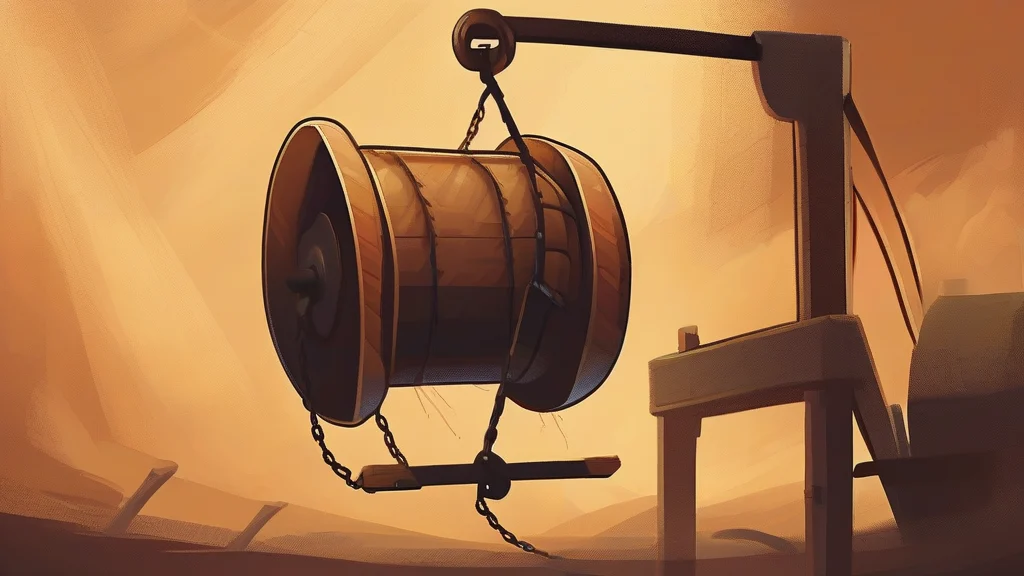
A wincher is a specialist mechanical device used to wind, haul, or lift through a rope, cable, or similar line. Its most characteristic nautical form is a drum on which line is wound, allowing a crew to raise loads or handle sails with controlled force. More generally, “wincher” can name the person who operates a winch, though that agent sense is less common than the technical equipment sense in modern use. The word appears in maritime work, construction, vehicle recovery, and other settings where a compact hauling mechanism is useful. It should not be confused with “winch,” the broader term for a similar winding machine; in British nautical usage, the contrast is often made between an upright wincher and a horizontal-axis winch. Because “wincher” is more specialized and less frequent than “winch,” readers may encounter it in manuals, field reports, and accounts of practical work rather than everyday conversation. Its appeal lies in compressing a simple mechanical idea into one word: a controlled means of turning stored line into useful lifting or pulling power.
nounA wincher is a compact device for winding, hauling, or lifting with rope or cable, especially an upright drum used aboard ships. It can also denote a person or mechanism that operates a winch.
- A mechanical winding or lifting device, especially a vertical-axis drum used aboard ships.
- A person who operates a winch.
"The deckhand operated the wincher to raise the cargo net from the hold."
"The crew used the ship's wincher to haul the anchor chain."
"A hydraulic wincher helped the construction crew pull the pipe into position."
The regular plural is used when referring to multiple devices, people, or components.
"Two hydraulic winchers were installed on the work platform."
A wincher turns stored rope or cable into controlled, powerful lifting motion.
Reviewed by Deb Chak, Editor. AI-assisted content curated by RJS Tech Solutions LLP.
Where does wincher come from?
Wincher was formed in English by adding the suffix -er to winch, a word that can denote either the machine or the action of winding and hauling. Middle English wynch is commonly traced to Old English wince, meaning a pulley or winch, and to related Germanic words associated with turning or winding. The wider etymological family includes wince, wink, and wing, reflecting an old root concerned with turning or bending.
How wincher is actually used
This is a fairly uncommon technical term, found chiefly in maritime, industrial, and recovery work. The equipment sense is generally more prominent in modern usage than the older sense meaning a person who operates a winch.
Easily confused with wincher
A winch is the general term for a drum-and-rope winding machine; in British nautical usage, a wincher typically has a vertical axis, whereas a winch usually has a horizontal one.