
What does windhover mean?
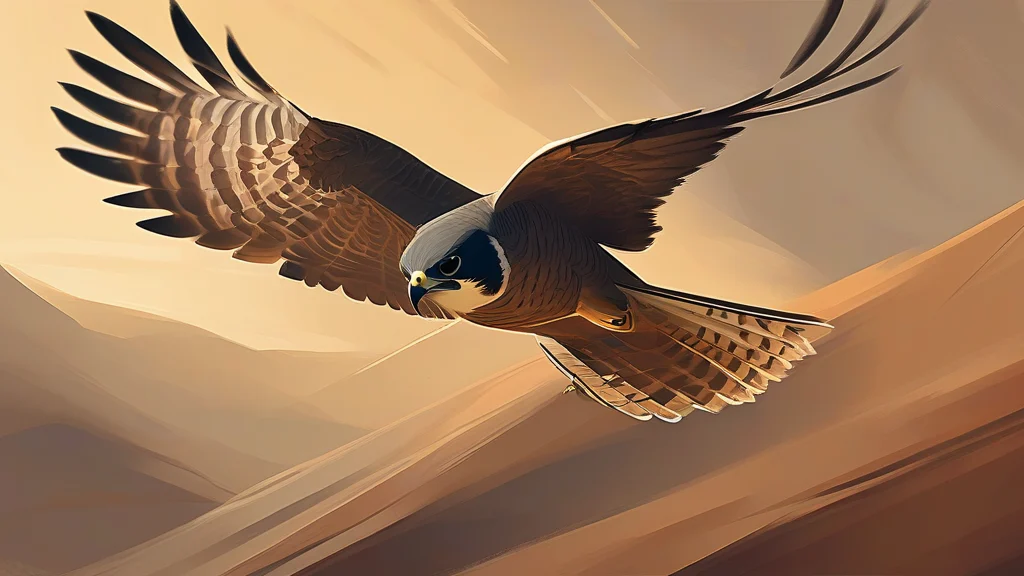
Windhover is chiefly a British name for the kestrel, a small falcon noted for hunting by holding almost motionless in the air against the wind. From above, a windhover can scan the ground for mice, insects, and other prey before descending to seize its target. The name combines “wind” with “hover,” directly describing this characteristic behavior, although the word is also used more broadly for any bird hovering against a steady wind. In modern use it is especially associated with literary descriptions of the countryside and with British ornithological writing. Kestrels may be seen perched on posts, wires, or buildings as well as hovering, but the hovering display is the feature that gives the word its memorable name. Windhover is therefore both a precise regional term for the kestrel and a vivid general expression for a bird apparently suspended in moving air.
nounA kestrel, especially one hunting by holding its position in the air against the wind.
- Chiefly British: the kestrel, named for its habit of hunting while hovering into the wind.
- More generally, any bird that holds its position in the air against the wind.
"A windhover held steady above the field before dropping onto a mouse."
"The windhover remained poised above the grass, then struck at a movement in the stubble."
"British field guides sometimes call the kestrel a windhover."
The standard plural adds “-s” to the complete word.
"Several windhovers hunted over the newly harvested field."
Facing the wind lets a kestrel appear almost motionless while it scans the ground for prey, creating its signature windhover display.
Reviewed by Deb Chak, Editor. AI-assisted content curated by RJS Tech Solutions LLP.
Etymology of windhover
Windhover is an English compound formed from “wind” and “hover.” Its name is descriptive, referring to a bird that appears to hold its position while facing the wind, a characteristic hunting posture of the kestrel. The component “wind” has Old English ancestry, while “hover” is attested in Middle English; other English words sharing the “wind” element include “windmill” and “whirlwind.”
Related word forms
How windhover is actually used
The word is chiefly British and has a literary or natural-history flavor. It is normally written as one word, although the hyphenated form “wind-hover” occurs in older usage.