
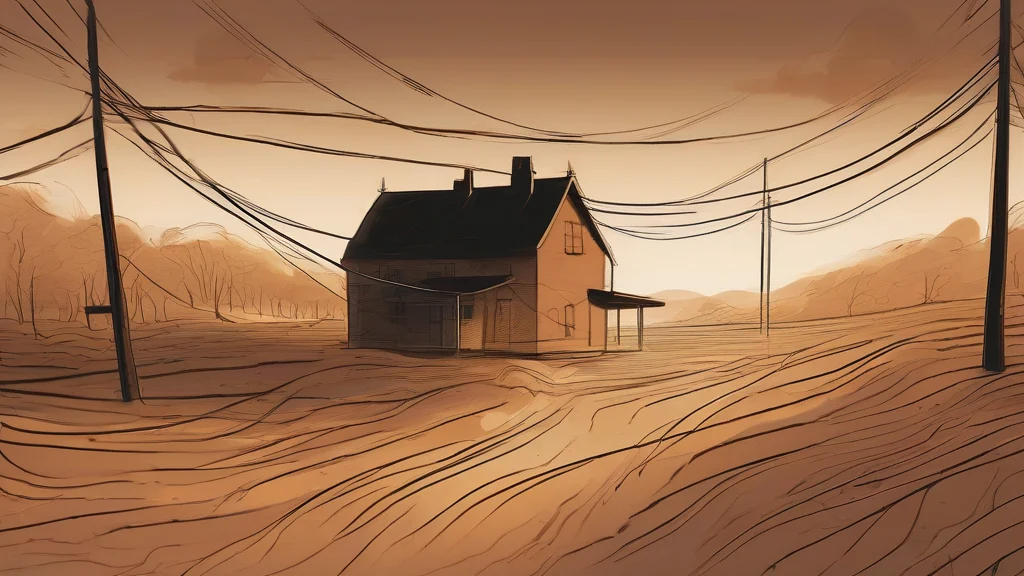
What does wiredrawn mean?
Wiredrawn is a rare, literary adjective for something stretched too fine, strained too hard, or made overly exact. Its oldest associations are with a voice or style reduced to a thin, attenuated quality, as if the material had been drawn out like wire. In modern usage it may also describe a person who is tense, exhausted, or under extreme pressure, although that sense is less sharply defined. The word usually carries a critical tone: calling a performance wiredrawn suggests exquisite but affected refinement; calling a witness wiredrawn suggests visible strain. Because it combines concrete physical imagery with judgments of refinement and emotional tension, the adjective can be more pointed than either refined or nervous alone. It is now uncommon in everyday English but remains useful in literary criticism, historical prose, and descriptions of strained speech, where its unusual sound vividly conveys something pulled thin or pushed to the limit.
adjectiveOver-refined or attenuated, especially in speech or style; also tense or strained, particularly from anxiety or exhaustion.
- Over-refined or attenuated, especially in speech, writing, or artistic style.
- Tense, strained, or exhausted, especially from anxiety or pressure.
"The actor's performance was elegant, but his voice grew increasingly wiredrawn."
"The critic found the novel's prose beautiful but so wiredrawn that it seemed almost lifeless."
"After hours of questioning, the witness sounded exhausted and wiredrawn."
Once a description of a voice pulled thin like wire, it now suggests someone stretched to the limit.
Reviewed by Deb Chak, Editor. AI-assisted content curated by RJS Tech Solutions LLP.
Etymology of wiredrawn
Wiredrawn combines English wire with the past participle of draw, using the idea of material being pulled or stretched out. Its earlier use was associated with wire drawn to a fine, attenuated thread. The word later acquired figurative senses involving excessive refinement and nervous or emotional strain.
How wiredrawn is actually used
This is a formal, literary, and now somewhat dated word. It is chiefly used in literary criticism and descriptive prose, and it often conveys criticism or a suggestion of excessive strain.
Easily confused with wiredrawn
Wiredrawn describes something made thin, over-refined, or strained, whereas withered describes something that has dried, shrunk, or lost vitality.