
What does womenfolk mean?
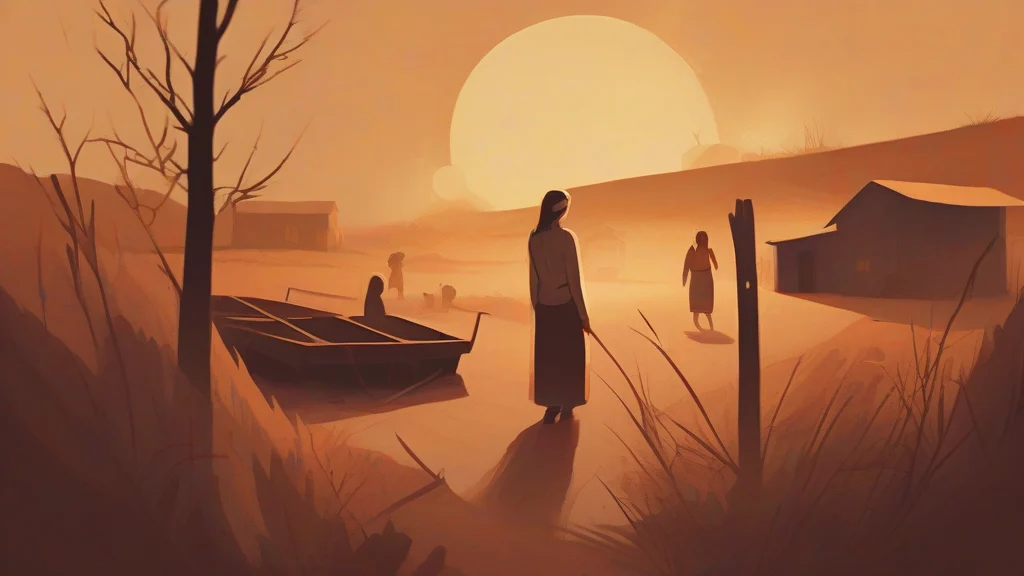
Womenfolk is a collective noun for women, especially the women belonging to a family, household, village, or other community. It treats a group of women as a single social unit rather than emphasizing any one individual. The word often appears in descriptions of traditional rural life, family gatherings, and long-established communities, giving it a folksy or historical tone. It is normally plural in form and takes plural agreement, as in “the womenfolk were waiting.” Although its use can sound old-fashioned, especially in British English, it remains readily understood in American English. In a general encyclopedia entry, womenfolk is best understood as a cultural as well as grammatical term: it names women collectively while suggesting the relationships and shared identity of the group they form.
nounA collective noun for women, especially the women belonging to a family, household, village, or other community.
- Women considered collectively, especially the women of a family, household, or community.
"The womenfolk of the village gathered in the square to discuss the harvest."
"The womenfolk of the village gathered in the square to discuss the harvest."
"The novel portrays the traditions and relationships of the local womenfolk with unusual warmth and detail."
The form is already plural and is used with plural agreement; it is not normally pluralized again.
"The womenfolk prepared a meal for everyone staying at the house."
Womenfolk joins women to an old word for “people” and still functions as its own plural.
Reviewed by Deb Chak, Editor. AI-assisted content curated by RJS Tech Solutions LLP.
Where does womenfolk come from?
Womenfolk is an English compound formed from the plural of woman and the word folk. Women developed as the Middle English plural of woman, whose vocabulary ultimately comes from Old English forms such as wimman and wifman, while folk descends from Old English folc, originally meaning people or a nation and later acquiring senses such as common people. The compound is attested from the early modern period and developed the collective sense now associated chiefly with the women of a family or community.
How womenfolk is actually used
The word is now somewhat old-fashioned and traditional in tone, particularly in British English, but remains readily understood in both British and American English. It can sound warm and communal in a historical or family setting, though modern use may also seem folksy or dated.
Easily confused with womenfolk
Womanfolk is a less common spelling variant of womenfolk and has essentially the same meaning.