
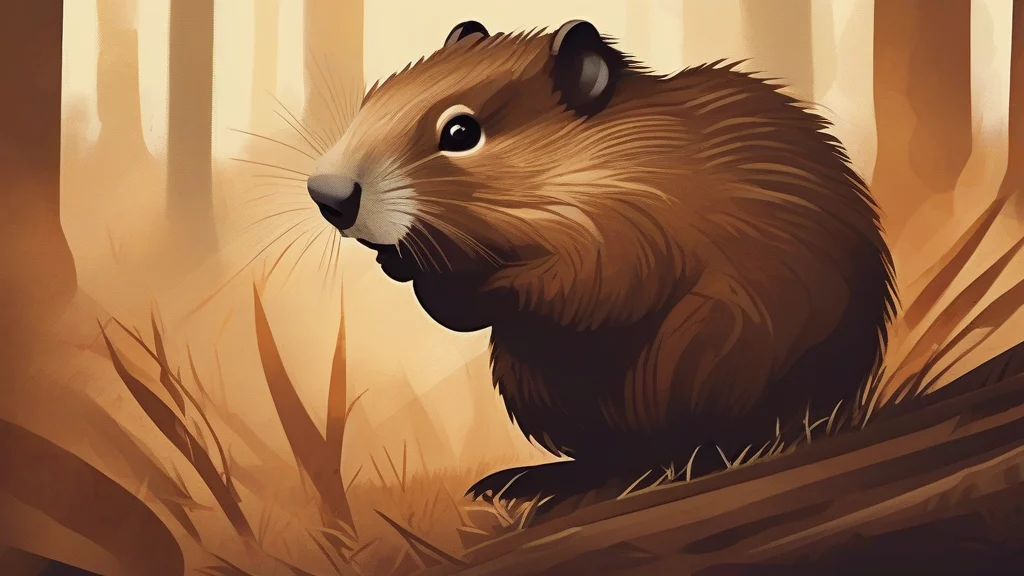
What does woodchuck mean?
A woodchuck is a large North American ground squirrel, scientifically known as Marmota monax and more familiarly called a groundhog. The animal is widely recognized for digging extensive underground burrows and for its habit of standing upright and giving a loud whistle when disturbed. Woodchucks hibernate through winter and emerge in spring, when folklore traditionally associates them with forecasting the weather. Their supposed ability to predict an early spring is the basis of Groundhog Day observances, although the behavior is not a reliable method of prediction. In American English, “woodchuck” is a perfectly standard name for the species, not merely a regional or humorous alternative to “groundhog.” It also appears in phrases such as “woodchuck whistle” and “woodchuck hole.” The word is useful because it preserves an older English borrowing from an Indigenous Algonquian language while retaining a strong association with the animal's distinctive appearance, calls, burrowing habits, and place in popular seasonal culture.
nounA large North American ground squirrel, Marmota monax, also called the groundhog. Woodchucks are known for their burrows, seasonal hibernation, and conspicuous whistling or whistling calls.
- The North American ground squirrel Marmota monax, also known as the groundhog.
"A woodchuck whistled from the edge of the garden, warning the hikers away from its burrow."
"The woodchuck disappeared into its burrow as soon as it sensed the dog."
"Many Americans first encounter the woodchuck through the familiar Groundhog Day tradition."
The regular plural takes the suffix -s.
"Several woodchucks appeared near the garden fence."
The woodchuck is the groundhog by another name, and its weather-prophecy fame comes from legend rather than zoology.
Reviewed by Deb Chak, Editor. AI-assisted content curated by RJS Tech Solutions LLP.
Where does woodchuck come from?
The English word was borrowed during the colonial period from an Algonquian language, generally identified as Powhatan. The source term is commonly interpreted as meaning “wood hog,” reflecting an older Indigenous name for the animal; the borrowing is attested by the late seventeenth century.
How woodchuck is actually used
The term is especially common in American English and is a familiar alternative to groundhog. In informal weather references, it commonly evokes the animal's supposed ability to predict an early spring.
Easily confused with woodchuck
A woodchip is a small piece of wood, whereas a woodchuck is a burrowing ground squirrel.