
What does wuthering mean?
Wuthering is a literary word that evokes the sound and force of wind. In its established adjectival use, it means blowing or howling and, when applied to heights or moors, suggests a landscape that is exposed, wild, and swept by violent weather. The word may also function as the present participle of the uncommon verb wuther, “to howl or roar,” especially of wind. Its unusual sound gives phrases such as “wuthering winds” an immediate emotional force, while Wuthering Heights, Emily Brontë’s novel, gave the adjective enduring literary fame. The title evokes the windswept moor country of the story. Though rooted in older English, wuthering now sounds poetic or archaic in ordinary speech and is more readily encountered in descriptions of storms, remote landscapes, and the Brontë title. It is therefore especially useful for writing that conveys untamed weather, loneliness, or dramatic atmosphere rather than merely a generic breeze.
Blowing, roaring, or howling, especially of wind; by extension, wild, exposed, and windswept.
"They climbed toward the wuthering ridge beneath a leaden sky."
Literary and poetic; commonly used in descriptions of winds, storms, moors, and remote landscapes.
To howl or roar, especially as the wind.
"The chimney wuthered as the gale swept over the roof."
Rare and now chiefly literary or archaic in its finite verb use.
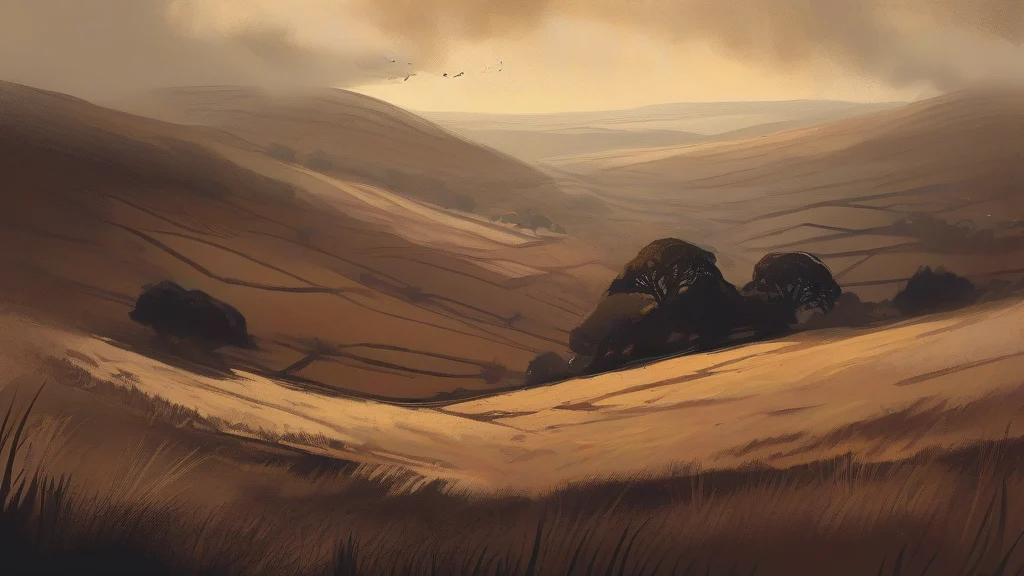
Emily Brontë turned its sound into a literary landmark: Wuthering Heights evokes the wild, windswept moors of Yorkshire.
Reviewed by Deb Chak, Editor. AI-assisted content curated by RJS Tech Solutions LLP.
Etymology of wuthering
English wuthering was formed from wuther with the present-participle ending -ing; wuther continues Old English wūþrian, meaning “to make a loud noise” or “to howl.” The word has Germanic relatives that include Dutch weteren and German wütern. In Emily Brontë’s Wuthering Heights, the modifier evokes the exposed, wind-battered landscape of the moors.
How wuthering is actually used
The adjective is literary and poetic, especially associated with storms, moors, and remote landscapes. The verb is uncommon and now sounds archaic or deliberately dramatic.
Easily confused with wuthering
Wuthering describes roaring or violent wind, whereas withering means drying, fading, or losing freshness.
Wuthering evokes wind and wildness, while weathering means wearing away through exposure or becoming seasoned by experience.