
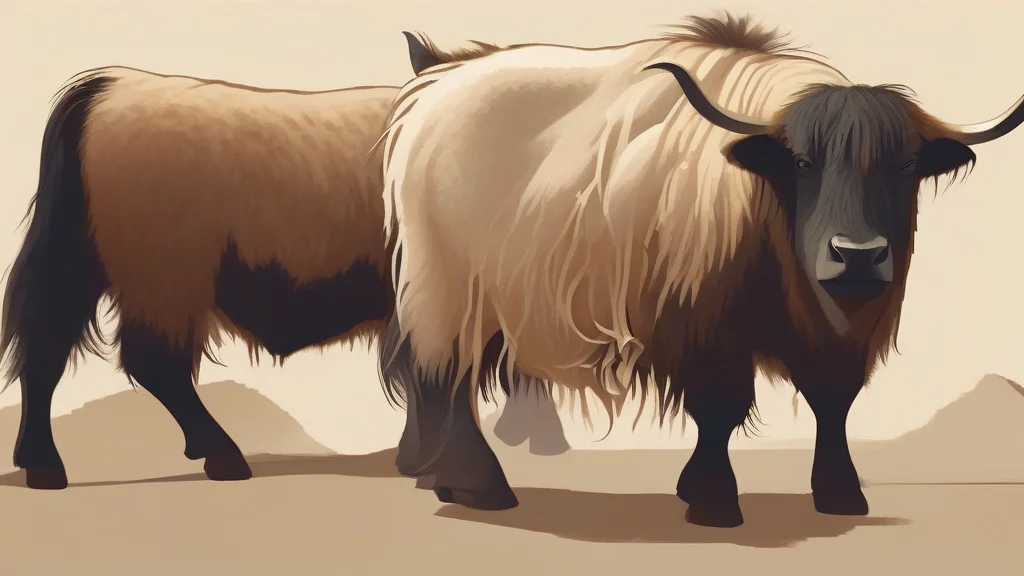
What does yak mean?
Yak is most commonly recognized as the name of a large, shaggy bovine native to the Himalayas and the high plateaus of Central Asia. Its long coat, substantial body, and ability to live in cold, high-altitude environments distinguish it from cattle and other bovines. Yaks have long been used for milk, meat, wool or hair, and as pack animals for transporting people and supplies across difficult terrain. The word also has an informal verb meaning: to talk or chatter at length, often in a way that the speaker considers pointless or tiresome. This verbal use can sound mildly dismissive, although it may also be humorous or affectionate among friends. In everyday use, “yak” therefore moves easily between its literal animal sense and a figurative description of prolonged, garrulous speech. Related expressions such as “yak hair,” “yak meat,” and “pack yak” reflect the animal’s practical importance in Himalayan and Central Asian life.
A large, long-haired bovine domesticated in the Himalayan and Central Asian highlands, especially the Tibetan Plateau.
"The caravan depended on a sturdy pack yak to carry the heaviest supplies."
To talk or chatter persistently, especially in a rambling, tiresome, or pointless way.
"They yakked about their plans for hours."
Informal and often dismissive in tone.
When referring to the animals, the standard plural is “yaks.”
"Several yaks stood quietly beside the trail."
A yak is a high-altitude heavyweight whose shaggy coat has made “yak hair” a familiar phrase in wool and textile discussions.
Reviewed by Deb Chak, Editor. AI-assisted content curated by RJS Tech Solutions LLP.
Where does yak come from?
The English word was borrowed from Tibetan, commonly transliterated as g.yag, referring to the Himalayan bovine; it entered English usage in the eighteenth century. The informal verb meaning “to chatter” developed later as an extension based on the association of the animal's grunting or vocal noise with persistent talking. The noun and verb ultimately share the same Tibetan source, although their English meanings and registers are quite different.
Related word forms
How yak is actually used
The animal sense is standard and international. The verb is informal, often slightly dismissive, and commonly suggests talking too much or making little progress; it is especially common in British English but is also used in American English.
Easily confused with yak
A yak is a long-haired Himalayan bovine, whereas a yap is a sharp, repeated bark or the sound made by a small dog.