
What does yird mean?
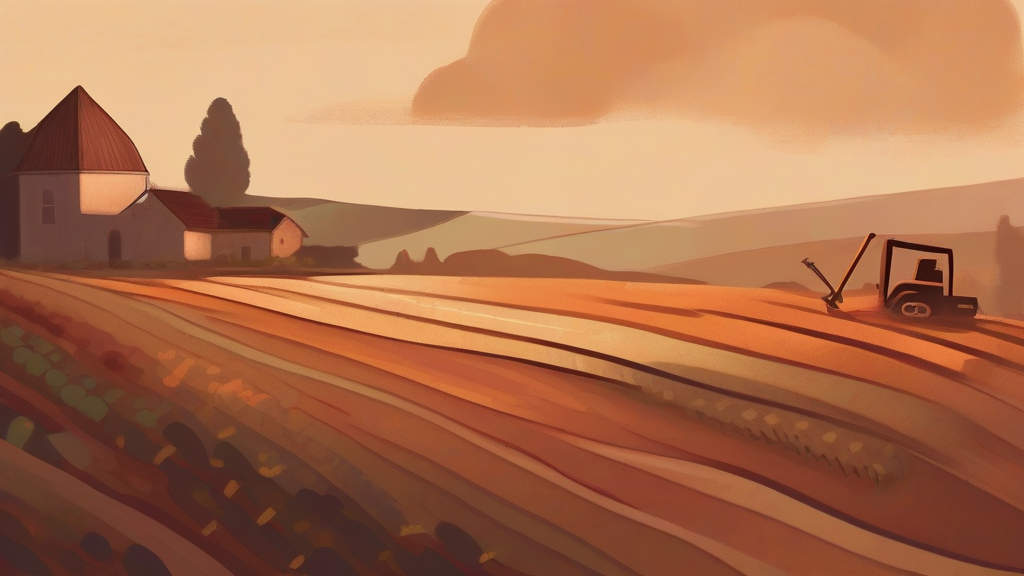
Yird is a chiefly Scots word for the earth, ground, or soil. It can refer narrowly to the physical ground beneath one's feet, as when someone describes a path or building as lying close to the yird, and more broadly to land as opposed to sea or sky. The word also carries a grounded, literal quality: it evokes soil and terrain rather than the earth in an abstract or planetary sense. Yird belongs to the vocabulary of Scots and older northern English dialects and is now uncommon in standard contemporary British or American English. It appears in modern writing chiefly when a writer wants a regional, archaic, or folkloric voice. Outside that context, the ordinary word ground or earth is normally the appropriate choice. Though no longer broadly familiar, yird preserves an older Germanic word for the land and remains especially evocative in descriptions of landscape, rural life, and the natural world.
The earth, ground, or soil.
"Wildflowers grew along the edge of the yird."
Chiefly Scots and northern English dialect; archaic or literary in modern use.
Land, as distinguished from the sea or sky.
"They could see no yird beyond the restless water."
A distinct but traditional northern sense of the word.
The regular plural form is rare because the word itself is uncommon in modern standard English.
"The scattered yirds were difficult to reach."
Yird preserves an old northern sound and a distinctly Scots view of the ground as living soil rather than abstract territory.
Reviewed by Deb Chak, Editor. AI-assisted content curated by RJS Tech Solutions LLP.
Etymology of yird
Yird is a Scots form of the Old English word for earth, cognate with Old Norse jörð and Old High German erda. Its history belongs to the northern Germanic and early medieval English vocabulary from which the modern Scots dialect developed. The word also belongs to a wider Germanic family that later produced English earth and related forms such as earthly.
How yird is actually used
This is an archaic, regional word rather than standard modern English. It is chiefly associated with Scots and northern English dialects and may sound deliberately traditional in contemporary writing.