What does clart mean?
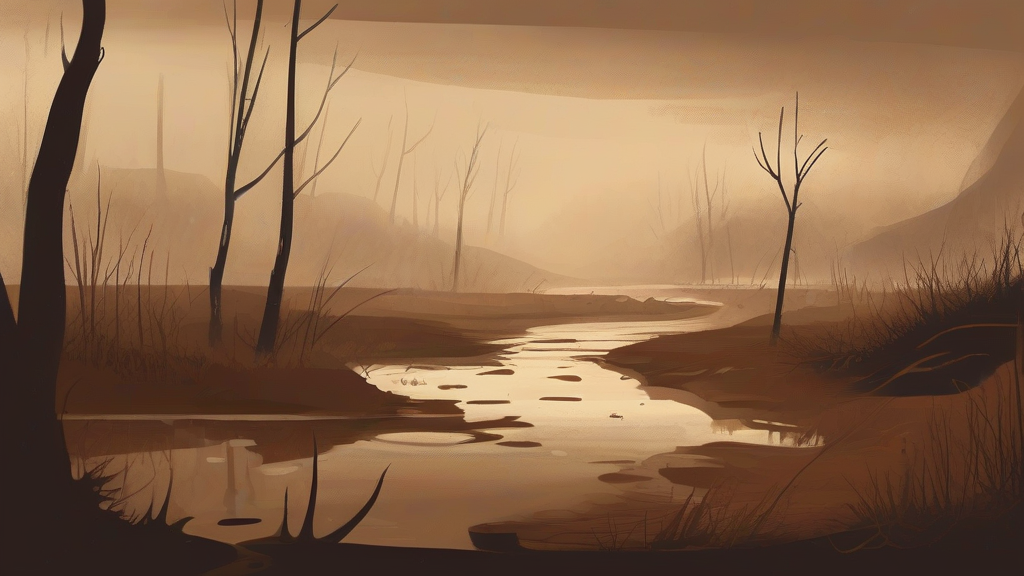
A clart is a type of muddy or swampy area, often found near rivers or streams. It can also refer to a mixture of mud and water, similar to a sludge. The term is commonly used in British and US English to describe areas of wetland or marshy terrain. In some cases, a clart can be a challenging obstacle to navigate, requiring careful footing and attention to avoid getting stuck. Despite its challenging nature, a clart can also be a unique and fascinating environment, supporting a wide range of plant and animal life. Overall, the term clart is an important part of the vocabulary for anyone interested in geography, ecology, or outdoor activities.
A type of muddy or swampy area, often found near rivers or streams.
"The hikers had to navigate through the clart to reach the other side of the river."
The term clart is commonly used in British and US English to describe areas of wetland or marshy terrain.
A mixture of mud and water, similar to a sludge.
"The construction site was a clart of mud and water, making it difficult to work in."
The term clart can also refer to a mixture of mud and water, similar to a sludge.
Reviewed by Deb Chak, Editor. AI-assisted content curated by RJS Tech Solutions LLP.
Etymology of clart
The word clart is derived from the Old French word 'clarte', meaning 'clear' or 'bright'. Over time, the meaning of the word shifted to refer to a muddy or swampy area, likely due to the association of clear water with muddy or cloudy conditions.
Usage notes
The term clart is commonly used in British and US English to describe areas of wetland or marshy terrain. It is often used in informal contexts, such as hiking or outdoor activities, but can also be used in more formal settings, such as scientific or technical writing.