What does mackerel mean?
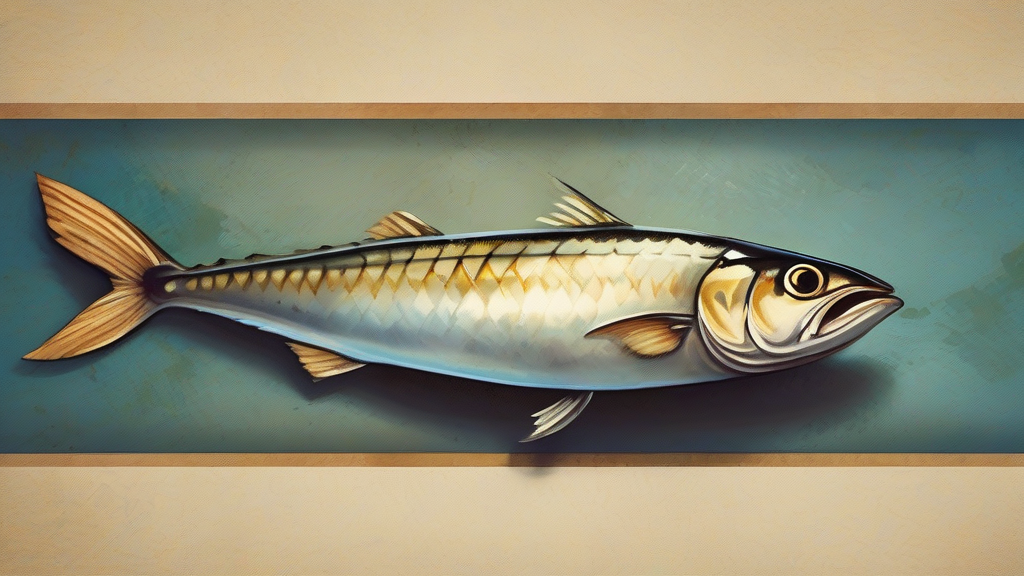
Mackerel is a medium-sized, oily fish with a greenish-blue back and silvery sides. It is often caught for food and is a popular ingredient in many Mediterranean dishes. Mackerel is commonly associated with seafood and fish dishes, and can be used in a variety of settings, from casual conversations to formal writing. The word 'mackerel' has been used in English since the 14th century, and is derived from the Middle English word 'mackerel', which is thought to be related to the Old English word 'macor', meaning 'sardine'. Mackerel is a versatile word that can be used in a variety of contexts, and is a useful addition to any vocabulary.
nounA medium-sized, oily fish with a greenish-blue back and silvery sides, often caught for food.
- A medium-sized, oily fish with a greenish-blue back and silvery sides, often caught for food.
"The mackerel was grilled to perfection and served with a side of lemon."
"The mackerel was grilled to perfection and served with a side of lemon."
"Mackerel is a popular ingredient in many Mediterranean dishes."
Mackerel is a countable noun, and the plural form 'mackerels' is used to refer to multiple fish.
"The mackerels were caught in a large net and brought back to shore."
Reviewed by Deb Chak, Editor. AI-assisted content curated by RJS Tech Solutions LLP.
Etymology of mackerel
The word 'mackerel' has been used in English since the 14th century, and is derived from the Middle English word 'mackerel', which is thought to be related to the Old English word 'macor', meaning 'sardine'. The word 'mackerel' is also related to the Old Norse word 'makr', which means 'sardine'.
Usage notes
Mackerel is often used in formal and informal contexts, and is commonly associated with seafood and fish dishes. It can be used in a variety of settings, from casual conversations to formal writing.