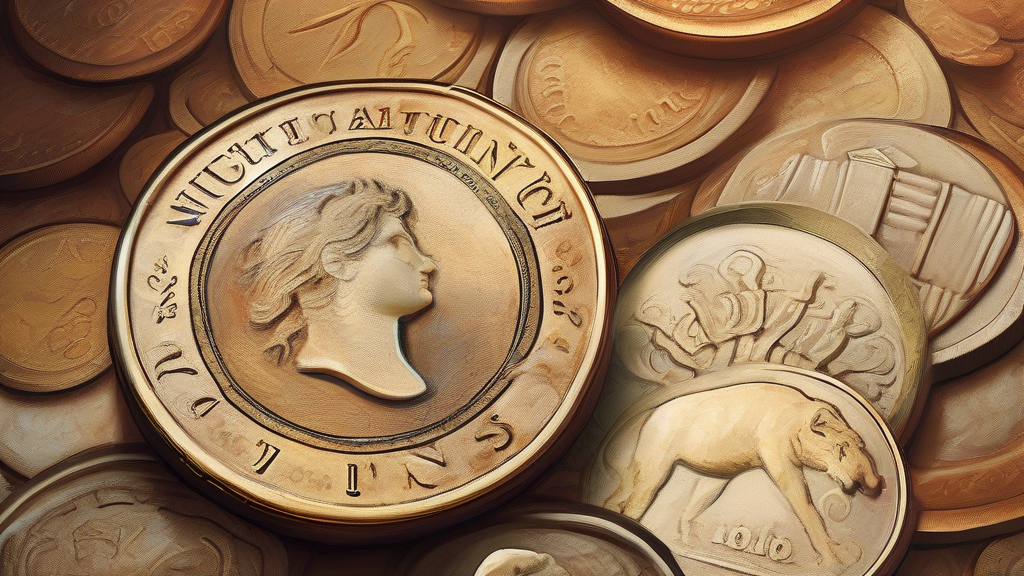
What does numismatic mean?
The term numismatic refers to anything related to the study of coins and currency, encompassing their history, design, authenticity, and cultural significance. This field of study, known as numismatics, is an interdisciplinary pursuit that draws on history, economics, art, and archaeology. Numismatic research and collections are often found in museums, historical societies, and academic institutions. The term is also used to describe items or activities related to the collection, study, or appreciation of coins and currency. As a field of study, numismatics provides valuable insights into the economic, cultural, and historical contexts of different societies.
adjectiveRelating to or concerned with the study of coins and currency, especially with regard to their history, design, and authenticity.
- Relating to the study of coins and currency
- Pertaining to numismatics
"The numismatic collection at the museum was renowned for its rare and valuable coins."
"The numismatic society met monthly to discuss their latest finds."
"The museum's numismatic exhibit featured coins from ancient civilizations."
Reviewed by Deb Chak, Editor. AI-assisted content curated by RJS Tech Solutions LLP.
Etymology of numismatic
The word numismatic originates from the French term 'numismatique', which is derived from the Greek words 'nomisma', meaning 'coin', and the suffix '-ic', forming an adjective. The term has been used in English since the 18th century to describe the study of coins and currency.
Usage notes
Often used in formal or academic contexts, such as in museums, historical societies, or academic papers.