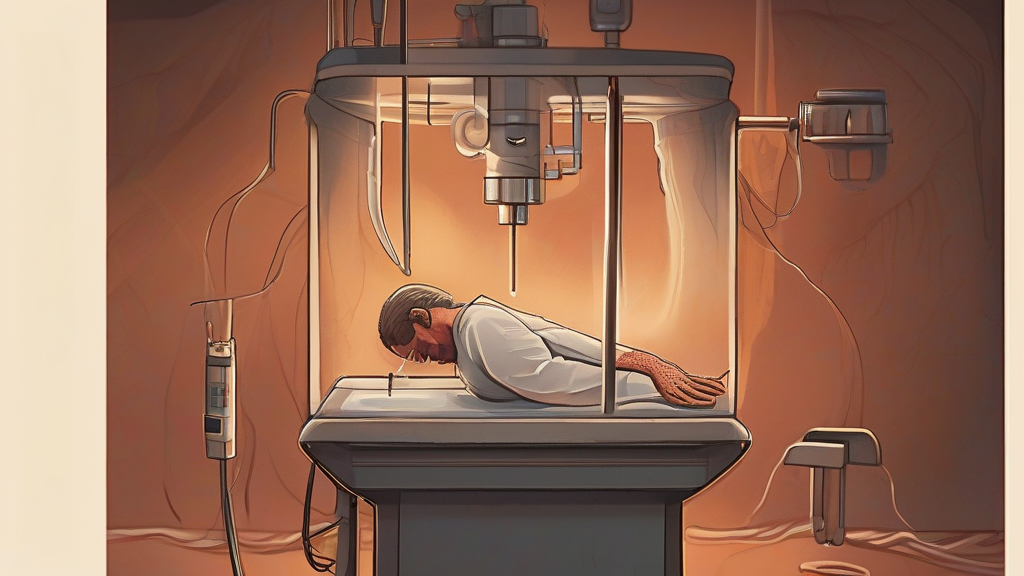
What does pheresis mean?
Pheresis is a medical procedure used to separate and remove specific components from a mixture of fluids, typically blood. This process is often used to treat various medical conditions, such as blood disorders or cancer. The procedure involves using a centrifuge or other specialized equipment to separate the desired component from the rest of the fluid. Pheresis is a valuable tool in modern medicine, allowing healthcare professionals to target specific components of the blood and remove them, which can help to improve patient outcomes. The term pheresis is derived from the Greek word 'aphairesis', meaning 'separation' or 'removal'.
nounPheresis is a medical term referring to the process of separating and removing a specific component from a mixture of fluids, typically blood, using a centrifuge or other specialized equipment.
- 1. The medical procedure of separating and removing a specific component from a mixture of fluids, typically blood.
"The doctor ordered a pheresis to separate the patient's platelets from the rest of their blood."
"The doctor ordered a pheresis to separate the patient's platelets from the rest of their blood."
"The patient underwent a pheresis to remove excess red blood cells."
Reviewed by Deb Chak, Editor. AI-assisted content curated by RJS Tech Solutions LLP.
Etymology of pheresis
The term pheresis is derived from the Greek word 'aphairesis', meaning 'separation' or 'removal'. This word is also the source of the English word 'apheresis', which refers to the process of separating and removing a specific component from a mixture of fluids.
Usage notes
Pheresis is a medical term and is typically used in a formal or technical context. It is often used in conjunction with other medical terms, such as 'plasmapheresis' or 'leukapheresis', to describe specific procedures or treatments.