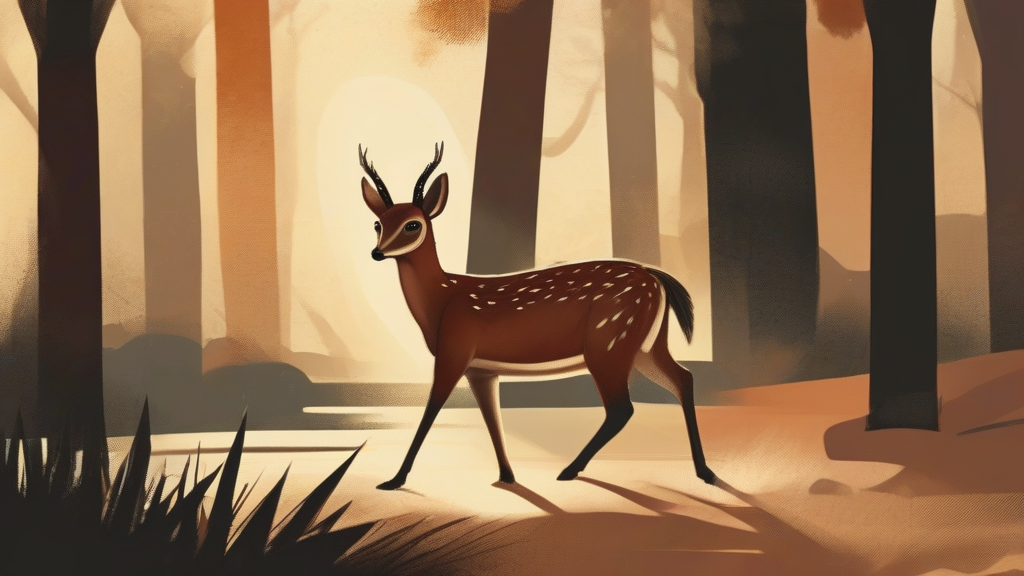
What does pudu mean?
The pudu is a small South American deer found in Chile, Argentina, and Peru. There are two distinct species, Pudu puda and Pudu mephistophiles. Pudus are shy and elusive creatures, rarely seen in the wild. They are found in dense forests and grasslands. The term 'pudu' is used to refer to these two species of deer. Pudus are an important part of their ecosystems, playing a vital role in maintaining the balance of nature. Despite their importance, pudus are often overlooked and underappreciated. However, conservation efforts are underway to protect these magnificent creatures and their habitats. By learning more about pudus, we can gain a deeper appreciation for the natural world and the importance of preserving it.
A small South American deer, Pudu puda, found in Chile and Argentina.
"The pudu is a shy and elusive creature, rarely seen in the wild."
The term 'pudu' is used to refer to this species of deer.
A small South American deer, Pudu mephistophiles, found in Peru.
"Pudus are found in dense forests and grasslands."
The term 'pudu' is used to refer to this species of deer.
The plural form 'pudus' is used to refer to multiple individuals of either species.
"A group of pudus were spotted in the wild."
Reviewed by Deb Chak, Editor. AI-assisted content curated by RJS Tech Solutions LLP.
Etymology of pudu
The term 'pudu' is derived from the Mapudungun language, spoken by the indigenous people of Chile. The word 'pudu' means 'small deer' or 'little deer'. The species Pudu puda was first described by the German naturalist Johann Georg Wagler in 1831. The species Pudu mephistophiles was first described by the American zoologist Philip Hershkovitz in 1983.
Usage notes
The term 'pudu' is used to refer to two distinct species of deer found in South America.