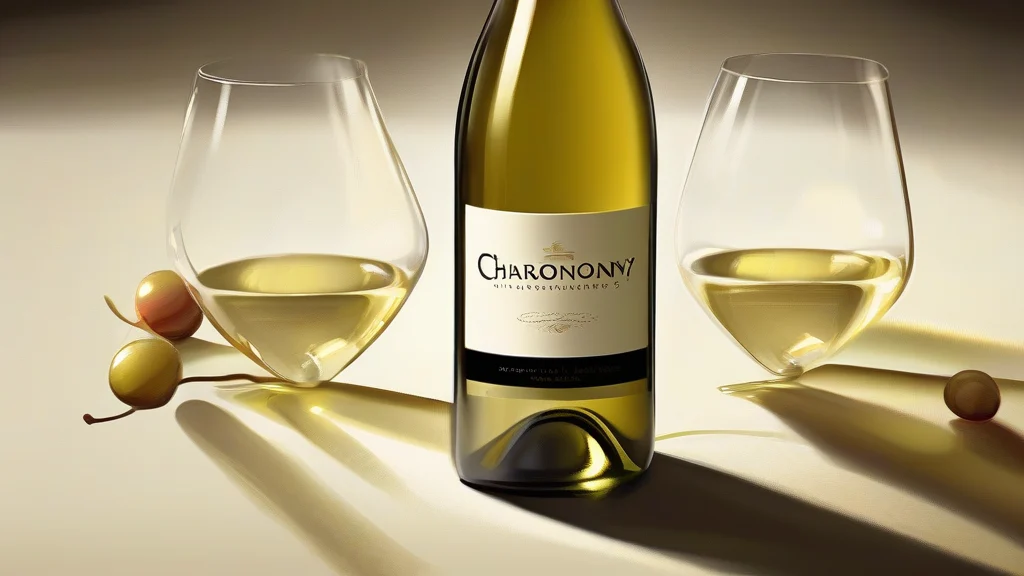
What does chardonnay mean?
Chardonnay is a green-skinned white wine grape that originated in the Burgundy region of eastern France and has become one of the most widely planted and recognisable grape varieties in the world. The word also refers to the white wine produced from it, which ranges in style from lean, mineral-driven, unoaked examples — such as those of Chablis — to rich, full-bodied versions fermented or aged in oak barrels, often described as buttery or creamy. In everyday English, 'chardonnay' appears both as a mass noun ('pour the chardonnay') and as a countable noun distinguishing among styles or bottles ('an Australian chardonnay'). Its adaptability to diverse climates helped it spread from its French homeland to virtually every wine-producing country, making it a staple of restaurant lists and supermarkets alike. For anyone interested in wine, the word is essential vocabulary, denoting both a specific grape and a remarkably versatile family of white wines.
A variety of white wine grape originating in Burgundy, France, widely grown around the world for making white wine.
"Chardonnay thrives in both cool-climate and warm-climate vineyards."
Often written lowercase when referring to the grape generically.
A still, typically dry white wine made from the chardonnay grape.
"We paired the lobster with a chilled bottle of chardonnay."
Can be pluralized as 'chardonnays' when referring to different wines of this type.
The plural is used chiefly when comparing different wines or bottlings of the grape, e.g. on a wine list; it does not refer to multiple glasses.
"The cellar holds chardonnays from Burgundy, California, and Australia."
The world's most famous white grape is named not after a winemaker but after a French village whose name traces back to the Latin word for thistle.
Reviewed by Deb Chak, Editor. AI-assisted content curated by RJS Tech Solutions LLP.
Etymology of chardonnay
The word 'chardonnay' comes from the name of the village of Chardonnay in the Mâconnais district of southern Burgundy, France, where the grape has long been grown. The place name derives from Late Latin Cardonnacum, meaning roughly 'place of thistles', from Latin carduus, 'thistle'. This same Latin root gives us the English word 'cardoon', a thistle-like vegetable related to the artichoke.
How chardonnay is actually used
When referring to the grape variety or the wine, 'chardonnay' is normally written lowercase in running text, though it may be capitalized in labels and formal wine writing. It functions as both a count noun ('two chardonnays', meaning two types or bottles) and a mass noun. The word carries few connotations of formality in itself, though 'oaked chardonnay' has become shorthand for a rich, buttery style of white wine.
Easily confused with chardonnay
Both are names of white wine grapes that sound similar in their opening syllables, but chenin blanc is a different grape variety producing wines with higher acidity and different flavour profiles.