What does primula mean?
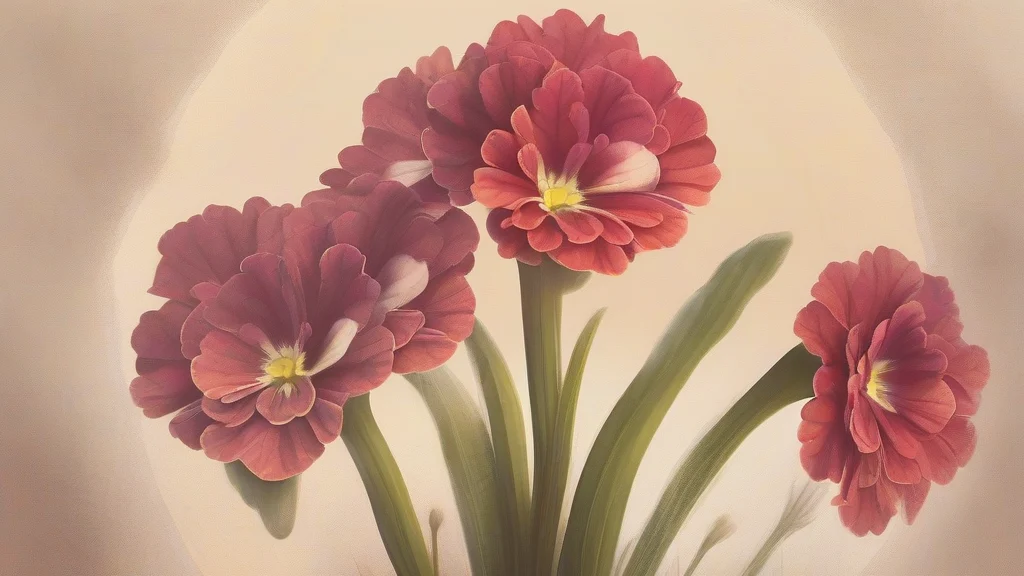
A primula is a type of flowering plant that is commonly grown in gardens for its showy, fragrant flowers. There are many species and hybrids of primulas, which come in a range of colors and bloom times. The term 'primula' is often used informally to refer to any of the many species of primroses or primulas. In horticulture, it can refer specifically to the genus Primula, which includes over 500 species of flowering plants. Primulas are often one of the first signs of spring and are popular with gardeners and botanists alike. They are also known for their delicate, often fragrant flowers and are commonly used in floral arrangements.
nounA primula is a type of flowering plant, often cultivated for its showy, fragrant flowers. There are many species and hybrids of primulas, which are commonly grown in gardens.
- A type of flowering plant.
- A genus of flowering plants in the family Primulaceae.
"The primula in the garden was one of the first signs of spring."
"The primula in the garden was one of the first signs of spring."
"The botanist spent years studying the various species of primula."
The plural form 'primulas' is used to refer to multiple plants or species.
"The garden featured a variety of primulas, including cowslip and primrose."
Reviewed by Deb Chak, Editor. AI-assisted content curated by RJS Tech Solutions LLP.
Etymology of primula
The word 'primula' comes from the Latin 'primulus', meaning 'first', and refers to the fact that primulas are often one of the first flowers to bloom in spring. The genus Primula was first described by the Swedish botanist Carolus Linnaeus in 1753.
How primula is actually used
The term 'primula' is often used informally to refer to any of the many species of primroses or primulas. In horticulture, it can refer specifically to the genus Primula.