What does ackee mean?
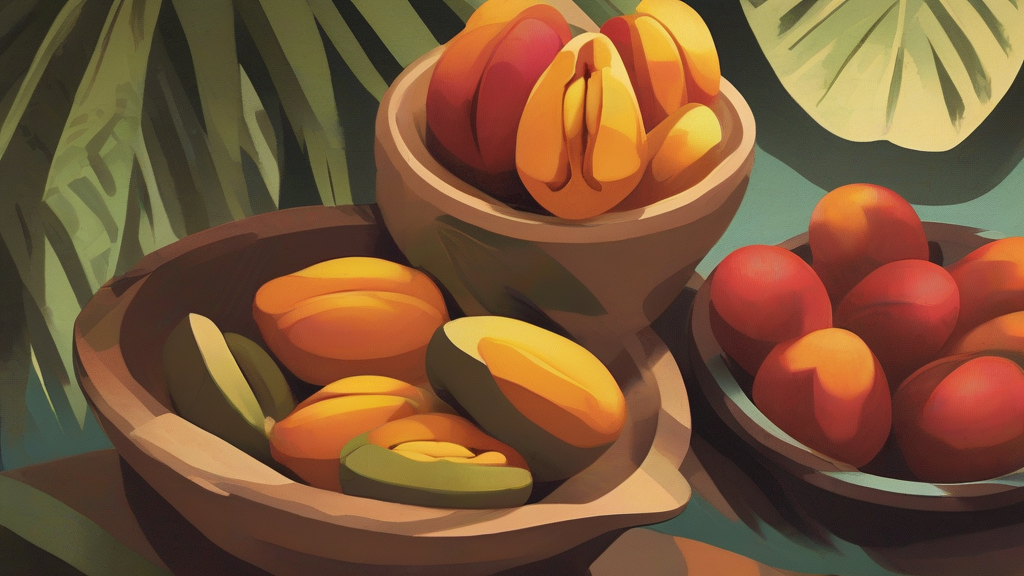
Ackee is a noun referring both to a tropical tree of the soapberry family, Blighia sapida, native to West Africa, and to the edible part of its fruit — the creamy yellow aril that surrounds the shiny black seeds. Brought across the Atlantic during the colonial era, the tree flourished in the Caribbean and became deeply rooted in Jamaica, where ackee is now the national fruit and forms half of the beloved national dish, ackee and saltfish. The word demands a note of caution alongside its culinary appeal: unripe ackee contains hypoglycin A, a toxin that can cause serious illness, so the fruit must be allowed to open naturally on the tree and be prepared correctly before eating. In register, ackee is everyday vocabulary in Jamaican and wider Caribbean English, though it may be unfamiliar to speakers elsewhere. Its story — African origin, Caribbean adoption, and a reputation for both nourishment and danger — makes it one of the more distinctive words in the English lexicon of foods.
nounA tropical West African tree (Blighia sapida) of the soapberry family, widely cultivated in the Caribbean; also, the edible yellow aril surrounding its seeds, which is poisonous if eaten unripe and is Jamaica's national fruit.
- The edible, fleshy aril of the ackee fruit, eaten cooked when ripe and a staple of Jamaican cuisine.
- The ackee tree itself (Blighia sapida), native to West Africa and widely grown in the Caribbean.
"Jamaicans traditionally serve saltfish with ackee as their national dish."
"She simmered the ackee gently with onions, tomatoes, and salted cod."
"An ackee tree shaded the whole courtyard behind the house."
The plural refers to multiple fruits or trees; the mass form 'ackee' is typical when speaking of the prepared food.
"The market stalls were piled high with ripe ackees."
Ackee can kill you before it's ripe — yet it's the national fruit of Jamaica and half of its most beloved dish.
Reviewed by Deb Chak, Editor. AI-assisted content curated by RJS Tech Solutions LLP.
Etymology of ackee
Ackee derives from the Akan languages of West Africa, specifically the Twi word for the tree and its fruit. The term entered English through the transatlantic movement of the plant itself, which was transported from West Africa to the Caribbean in the eighteenth century. When the species was formally described by botanists it was named Blighia sapida after Captain William Bligh, who helped introduce the plant to the scientific establishment, but the everyday English name retained its African root. As such, ackee stands as a linguistic trace of the African heritage of Caribbean cuisine.
How ackee is actually used
Ackee carries strong associations with Jamaican food culture and identity. Because unripe ackee contains hypoglycin A and can cause severe illness, culinary discussion often stresses eating it only when fully ripe and properly prepared. The word is common in Caribbean contexts but less familiar elsewhere in the English-speaking world.
Easily confused with ackee
Açaí is an edible purple berry palm fruit from South America, whereas ackee is a Caribbean fruit that must be cooked when ripe to be safe to eat.