What does affrighting mean?
'Affrighting' is the present participle and gerund of the verb 'affright', meaning to frighten or terrify someone — to strike them with sudden fear or alarm. The word belongs chiefly to older English: it appears regularly in Renaissance and early modern literature, including Shakespeare, where characters speak of sights and sounds 'affrighting' them. Today it is considered archaic, surviving mainly in historical fiction, poetry, and deliberately old-fashioned prose; a modern writer would almost always choose 'frightening', 'terrifying', or 'alarming' instead. The underlying root is Old English 'fyrhto' (fear), which also gives us 'fright' and 'frighten'. Despite its rarity, 'affrighting' remains useful for readers of classic literature and for writers seeking an archaic or elevated register — it carries a dramatic, slightly theatrical connotation that suits tales of ghosts, storms, and terrors of the night.
Present participle of 'affright': to frighten or terrify someone; to fill with sudden fear.
"The howling wind went affrighting the children huddled by the fire."
Archaic; used mainly in literary or historical writing.
The action or process of frightening someone; an instance of causing terror.
"Such affrighting was uncommon in the quiet hamlet."
Rare; gerundial use of the archaic verb.
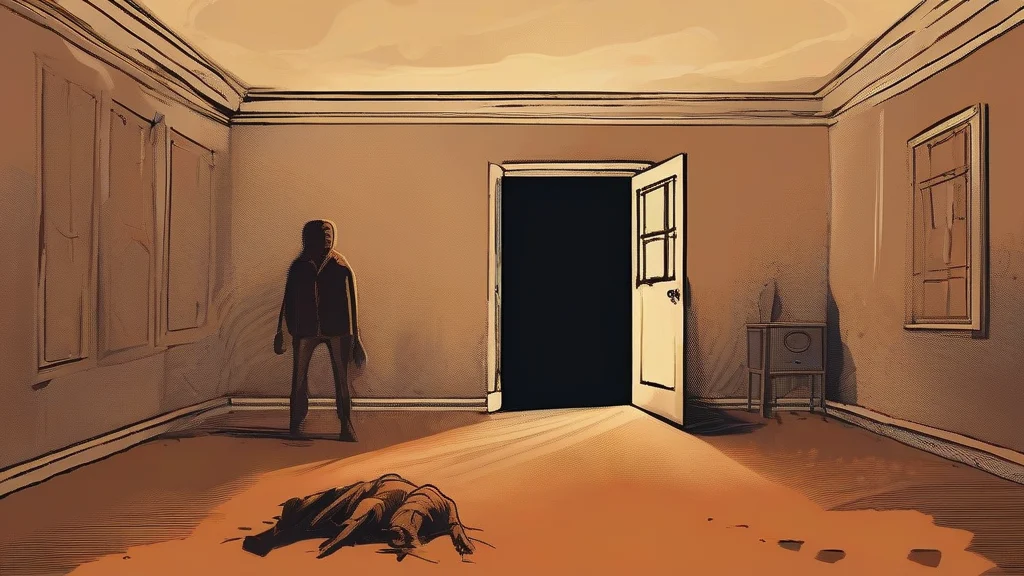
Before 'frightening' took over, English speakers said 'affrighting' — a word that sounds like it belongs in a Shakespearean stage direction, because it often is one.
Reviewed by Deb Chak, Editor. AI-assisted content curated by RJS Tech Solutions LLP.
Etymology of affrighting
'Affrighting' derives from the verb 'affright', formed in Middle English from the prefix 'a-' (from Old English 'on-' or 'of-') combined with 'fright', which traces back to Old English 'fyrhto', meaning fear or terror. The same Germanic root produced 'fright' and later 'frighten', making these true siblings rather than borrowings. 'Affright' was well established by the late medieval period and flourished in Elizabethan drama before gradually yielding to 'frighten' in ordinary speech.
Related word forms
How affrighting is actually used
'Affrighting' is archaic or literary in modern usage; it survives mainly in older texts, historical fiction, and deliberate archaism. In contemporary English, 'frightening' or 'terrifying' would normally be used instead. The verb 'affright' itself is rare outside literary contexts.
Easily confused with affrighting
'Frightening' is the standard modern word for causing fear, while 'affrighting' is an archaic/dated form built on the older verb 'affright'.