What does alliaceous mean?
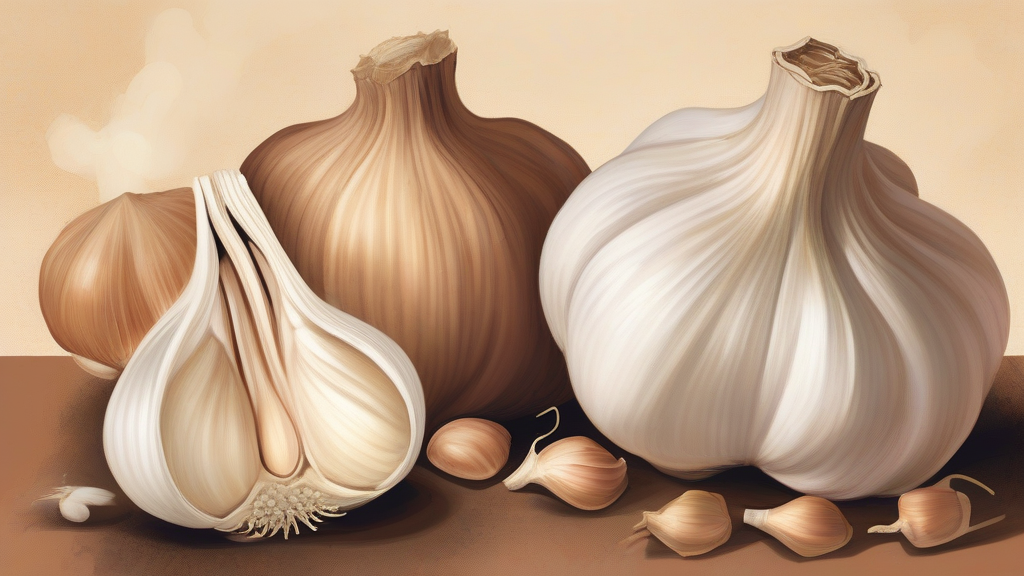
Alliaceous is a formal adjective describing anything that belongs to, resembles, or smells like the genus Allium — the plant family that includes garlic, onions, leeks, chives, shallots, and ornamental alliums. It has two closely related uses: it can denote the plants themselves, as when a botanist describes the alliaceous members of a garden bed, or it can characterize a smell or flavor, as when a chemist records an alliaceous odor in a sample. The word derives from the Latin alliaceus, formed on allium, the Latin name for garlic, and entered English in the seventeenth century. Because it is precise and technical, it appears mainly in botany, food science, perfumery, and sensory analysis rather than casual speech, where simpler terms like 'garlicky' or 'oniony' do the work. For writers who need an exact, authoritative term for the onion-and-garlic character of a plant or a scent, however, alliaceous remains the standard choice.
adjectiveOf, relating to, or characteristic of plants of the genus Allium, such as garlic, onions, leeks, and chives; especially, having their distinctive pungent smell or taste.
- Of or relating to plants of the genus Allium (garlic, onions, leeks, chives, etc.).
- Having the characteristic pungent smell or flavor of garlic or onions.
"The kitchen was filled with an alliaceous aroma after the garlic and shallots hit the pan."
"The botanist noted that the alliaceous plants in the bed included garlic, leeks, and ornamental alliums."
"A faintly alliaceous scent lingered in the air long after the onion soup had been served."
If a dish smells unmistakably of garlic or onions, botanists have a single elegant word for it: alliaceous.
Reviewed by Deb Chak, Editor. AI-assisted content curated by RJS Tech Solutions LLP.
Etymology of alliaceous
Alliaceous comes from the Latin alliaceus, meaning 'of garlic', which was built on allium, the classical Latin word for garlic itself. The adjective passed into English during the seventeenth century, when Latin-derived technical vocabulary was being absorbed into scientific and botanical writing. Its root also underlies the modern botanical genus name Allium and, more recently, chemical terms connected with garlic's sulfur compounds.
How alliaceous is actually used
Formal and somewhat technical in register, appearing chiefly in botanical writing, scientific descriptions of odors, and culinary or perfumery contexts rather than everyday conversation.
Easily confused with alliaceous
Both are adjectives ending in '-aceous' describing plants, but 'herbaceous' means having non-woody stems that die back each year, while 'alliaceous' refers specifically to the onion and garlic family (genus Allium) or its characteristic smell.