What does almain mean?
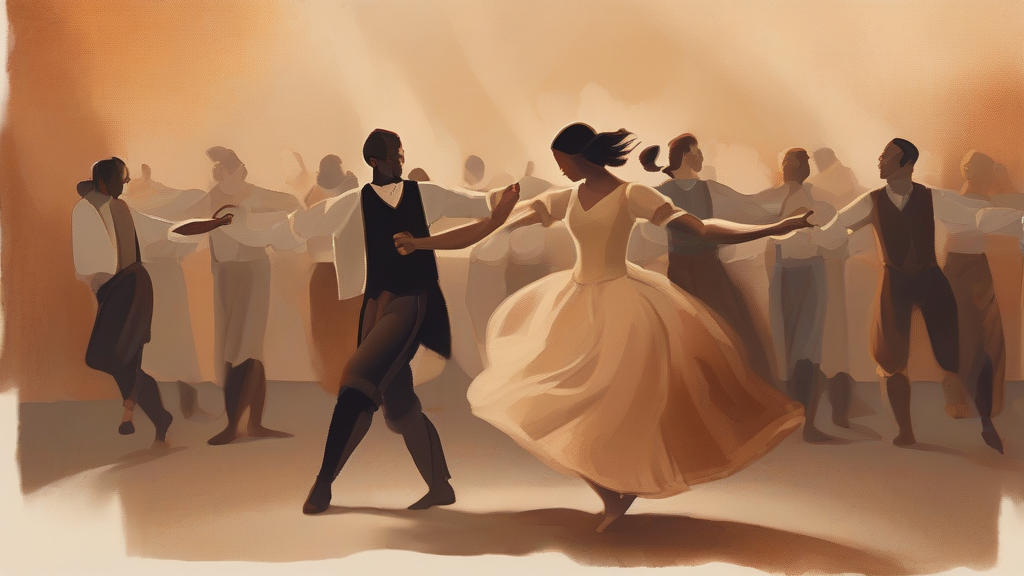
Almain is an archaic English word with two related historical uses. Most broadly, it meant a German — a native of Germany — reflecting the medieval French term for the Germanic peoples descended from the ancient Alemanni tribe. By extension, 'almain' could describe anything of German origin or style. Its second sense belongs to the world of Renaissance dance: an almain was a moderately paced, stately dance in duple time, popular at the courts of sixteenth- and seventeenth-century Europe, along with the instrumental piece composed for it. In this sense it survives more familiarly under its French name, allemande, which later became a standard movement of the Baroque suite. Today 'almain' is essentially obsolete, encountered mainly in historical scholarship, early music performance, and literature of the Tudor and Stuart periods. It offers readers a window into how English once borrowed its names for foreign peoples through French, and into the dance culture of the Elizabethan age.
A German; a native of Germany (archaic), or by extension something of German origin.
"The play's stage directions call for an 'almain' to be danced by the assembled company."
Both senses — the ethnic designation and the dance — are obsolete in ordinary modern usage.
A stately Renaissance dance in duple time, equivalent to the allemande; also the music composed for it.
"The lutenist began the recital with a graceful almain from the Fitzwilliam Virginal Book."
As a countable noun referring either to German people or to dances/pieces, the regular plural applies.
"Several almains appear among the dances collected in the Inns of Court manuscripts."
Before 'German' became the everyday word, English speakers called Germans 'almains' — a name inherited from an ancient tribe, the Alemanni.
Reviewed by Deb Chak, Editor. AI-assisted content curated by RJS Tech Solutions LLP.
Etymology of almain
Almain entered Middle English from Old French 'aleman(d)', meaning German, which itself derives from the Latin tribal name Alemanni — a confederation of Germanic peoples whose name was generalized in Romance languages to mean any German. The same root gives modern French 'Allemagne' (Germany) and the dance term 'allemande'. The word was current in English from the Middle Ages through the seventeenth century before being displaced by 'German'.
How almain is actually used
Almain is archaic and appears almost exclusively in historical, literary, or early-music contexts. Readers are most likely to encounter it in editions of Shakespeare, Elizabethan dance manuals, or discussions of Renaissance instrumental suites.
Easily confused with almain
Allemande is the modern French-derived name for the dance and a musical movement form, while almain is the older English spelling and term for both the dance and a German person.